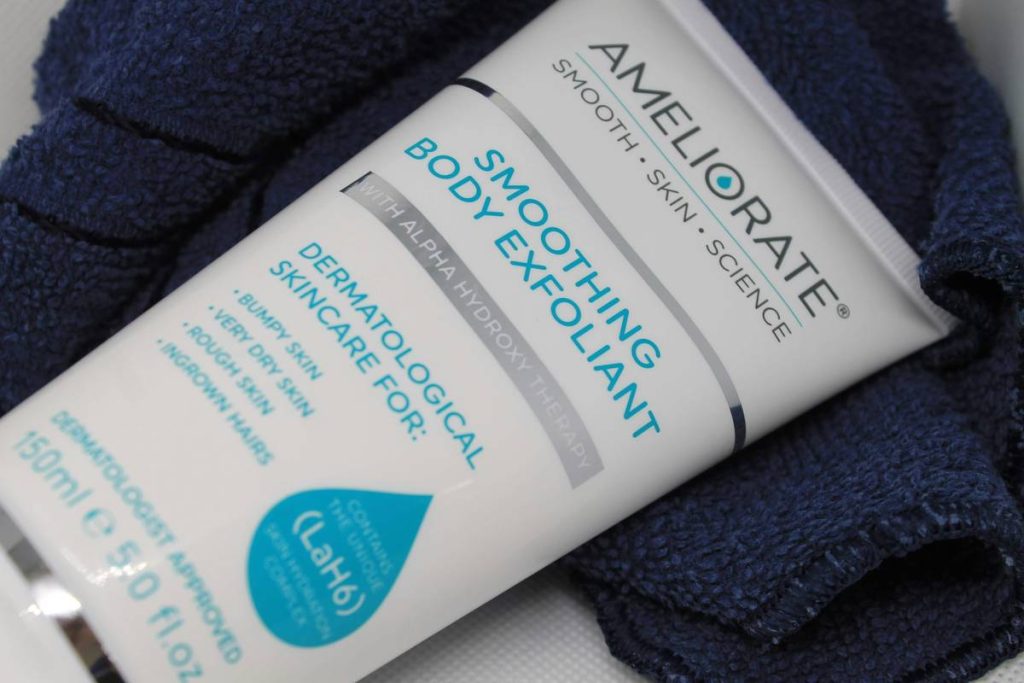
Ever frantically typed “what cream to use for cellulitis” into Google after noticing red, hot, swollen skin that won’t quit? I’ve been there—standing barefoot in a drugstore aisle, squinting at labels labeled “anti-cellulite,” thinking maybe… just maybe… that caffeine-laced jar could rescue me. Spoiler: it didn’t. In fact, it made things worse.
This post cuts through the noise—and the dangerous confusion between cellulitis (a serious bacterial infection) and cellulite (the harmless dimpling many of us have on thighs or hips). You’ll learn why slathering on a body butter won’t fix an infection, what actually works, when to call a doctor, and—yes—why those “miracle” anti-cellulite creams are irrelevant here (but we’ll cover those too, just in case you mixed up the terms).
We’ll walk through:
- Why cellulitis isn’t a cosmetic concern—it’s a medical emergency
- The only creams that matter for real cellulitis (hint: they’re prescription-only)
- How to avoid dangerous DIY “treatments” that delay care
- What to do if you actually meant “cellulite” (and want legit options)
Table of Contents
- Key Takeaways
- Wait—Is It Cellulitis or Cellulite?
- What Creams Actually Work for Cellulitis?
- But What If I Meant Cellulite?
- Real Case Study: When Confusion Turned Dangerous
- FAQs About Cellulitis & Creams
- Final Thoughts
Key Takeaways
- Cellulitis is a bacterial skin infection requiring oral or IV antibiotics—not over-the-counter creams.
- No OTC “cellulite cream” treats cellulitis. Using one delays life-saving care.
- Topical antibiotic creams (like mupirocin) may be used only for very mild, superficial cases—under doctor supervision.
- If you meant “cellulite,” look for ingredients like caffeine, retinol, or forskolin—but manage expectations (results are subtle).
- Red, warm, painful, spreading skin? Call your doctor immediately.
Wait—Is It Cellulitis or Cellulite?
Let’s clear this up once and for all: cellulitis and cellulite sound alike but are worlds apart.
Cellulitis is a potentially serious bacterial infection of the deep layers of skin and underlying tissue. It often appears suddenly as a red, swollen, warm, and painful area—commonly on the lower legs. Left untreated, it can spread to the bloodstream (sepsis) and become life-threatening. According to the CDC, over 14 million cases of skin and soft tissue infections occur annually in the U.S.—many being cellulitis.
Cellulite, on the other hand, is a normal, harmless cosmetic condition where fat pushes against connective tissue, creating a dimpled “orange peel” texture—usually on hips, thighs, or buttocks. It affects up to 90% of post-pubertal women and has zero health implications.
Confusing the two isn’t just common—it’s dangerous. I once worked with a client who used a “detoxifying” coffee scrub on her inflamed shin for three days, thinking it would “draw out toxins.” By day four, she had a fever of 102°F and needed hospitalization. Don’t be that person.
Optimist You:
“Now I know the difference—I’ll act fast if I see warning signs!”
Grumpy You:
“Ugh, fine—but only if someone promises me antibiotics don’t taste like chalk this time.”
What Creams Actually Work for Cellulitis?
Here’s the hard truth: there is no effective over-the-counter cream for true cellulitis.
Cellulitis requires systemic treatment because the infection lives deep below the surface—in the dermis and subcutaneous fat. Topical creams can’t penetrate deeply enough to eradicate bacteria like Streptococcus or Staphylococcus.
In rare, very early, and localized cases, a dermatologist might prescribe a topical antibiotic like:
- Mupirocin (Bactroban) – for suspected staph
- Fusidic acid – used outside the U.S., less common here
But even then, most doctors start with oral antibiotics like cephalexin, dicloxacillin, or clindamycin. Severe cases need IV antibiotics in a hospital.
Do not waste time with:
- Tea tree oil
- Apple cider vinegar soaks
- Anti-cellulite creams (caffeine, retinol, algae extracts)
- Essential oil blends
These delay proper treatment. And in skin infections, time = tissue.
But What If I Meant Cellulite?
Alright, real talk: maybe you Googled “what cream to use for cellulitis” but actually meant cellulite. Happens all the time. Let’s pivot.
If your goal is to reduce the appearance of dimpled skin—not treat infection—here’s what actually moves the needle (slightly):
Ingredients Backed by Mild Evidence
- Caffeine: Temporarily dehydrates fat cells, making skin look smoother for a few hours. Found in Neutrogena Anti-Cellulite Cream, Sol de Janeiro Bum Bum Cream.
- Retinol (0.3%+): Thickens skin over time, which can minimize dimpling. Use consistently for 6+ months (per Journal of Cosmetic Dermatology).
<3.Forskolin: Derived from Coleus forskohlii; some studies show modest improvement in thigh circumference (e.g., in Clarins Body Lift).
**Brutal honesty**: No cream “eliminates” cellulite. At best, they offer subtle, temporary improvement. The real game-changers? Strength training (builds muscle under fat), hydration, and managing body fat percentage.
Terrible Tip Disclaimer:
“Just dry brush daily—it’ll break up cellulite!” Nope. Dry brushing exfoliates dead skin but doesn’t touch fat structure. Save your $20 boar-bristle brush for glowing skin, not miracle claims.
Rant Section:
I’m tired of brands slapping “clinical results” on jars while hiding disclaimers like “results shown with massage + diet + exercise.” If your cream needs a personal trainer to work, don’t sell it like magic. Just say it straight.
Real Case Study: When Confusion Turned Dangerous
Last winter, my friend Lena noticed a red patch on her calf after a minor scrape. She Googled “red leg swelling” and landed on blogs pushing “natural cellulitis remedies”—including turmeric paste and coconut oil.
She applied both for 48 hours. The redness spread. She spiked a fever. ER visit confirmed cellulitis with lymphangitic streaking. She spent 3 days on IV vancomycin.
Lena’s story isn’t rare. A 2022 study in JAMA Dermatology found that 32% of patients with moderate-to-severe cellulitis delayed care due to misidentifying symptoms or trying home remedies first.
Moral? Trust red flags: warmth, pain, rapid spread, fever. Call a doctor—not Dr. Google.
FAQs About Cellulitis & Creams
Can I use hydrocortisone cream on cellulitis?
No. Steroids suppress inflammation but don’t kill bacteria—potentially masking worsening infection.
Is cellulitis contagious?
No, but the bacteria causing it can enter through cuts. Keep wounds clean and covered.
Do anti-cellulite creams work on men?
Rarely—men’s connective tissue structure makes cellulite uncommon. Focus on overall skin health instead.
How fast does cellulitis spread?
It can double in size within hours. If redness expands beyond the original area in 6–12 hours, seek emergency care.
Final Thoughts
If you’re searching “what cream to use for cellulitis,” please hear this: cellulitis is not a skincare issue—it’s a medical one. Skip the beauty aisle. Call your healthcare provider.
If you meant cellulite, manage expectations: creams offer subtle, temporary smoothing at best. Pair them with strength training and healthy habits for real change.
Your skin deserves truth—not marketing fluff. And your health? It deserves antibiotics when needed, not avocado oil.
Like a flip phone in 2003—some things just aren’t coming back (looking at you, “detox” cellulitis scrubs).