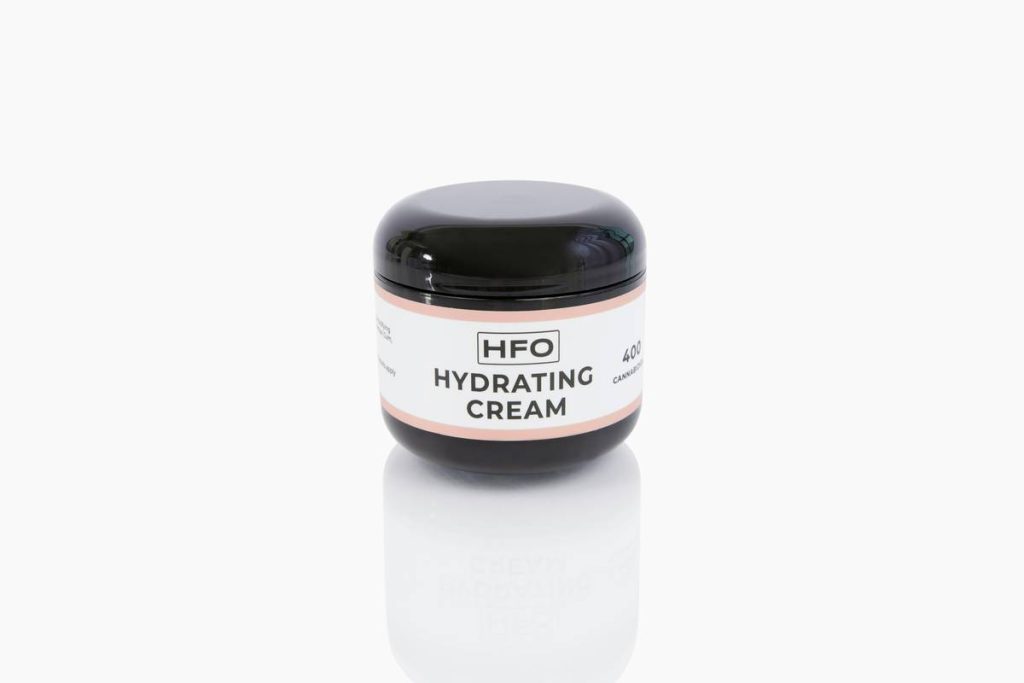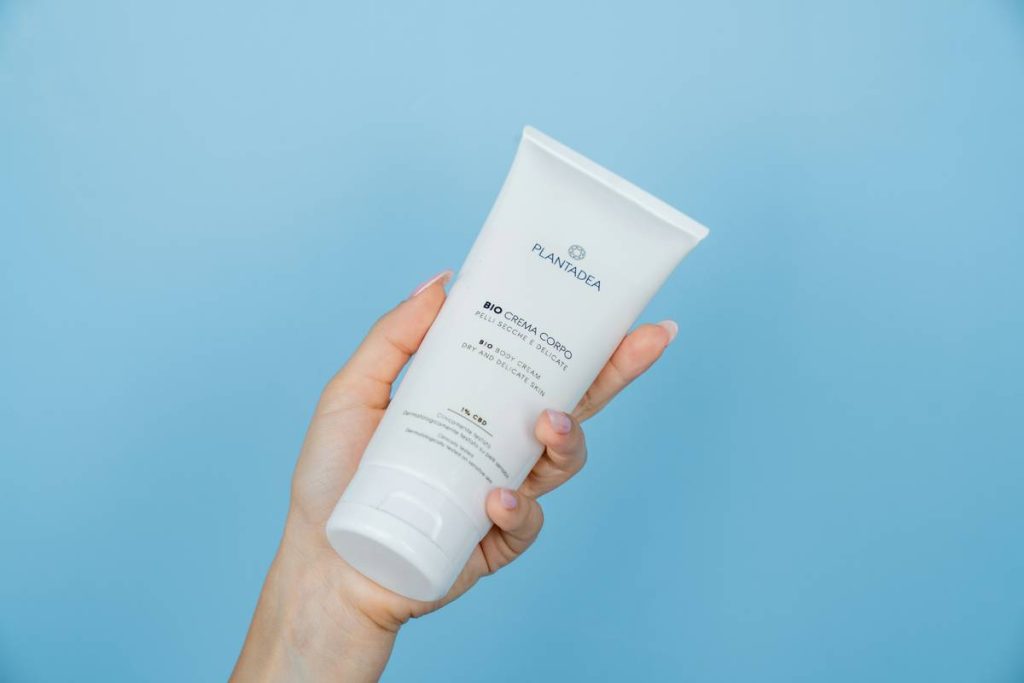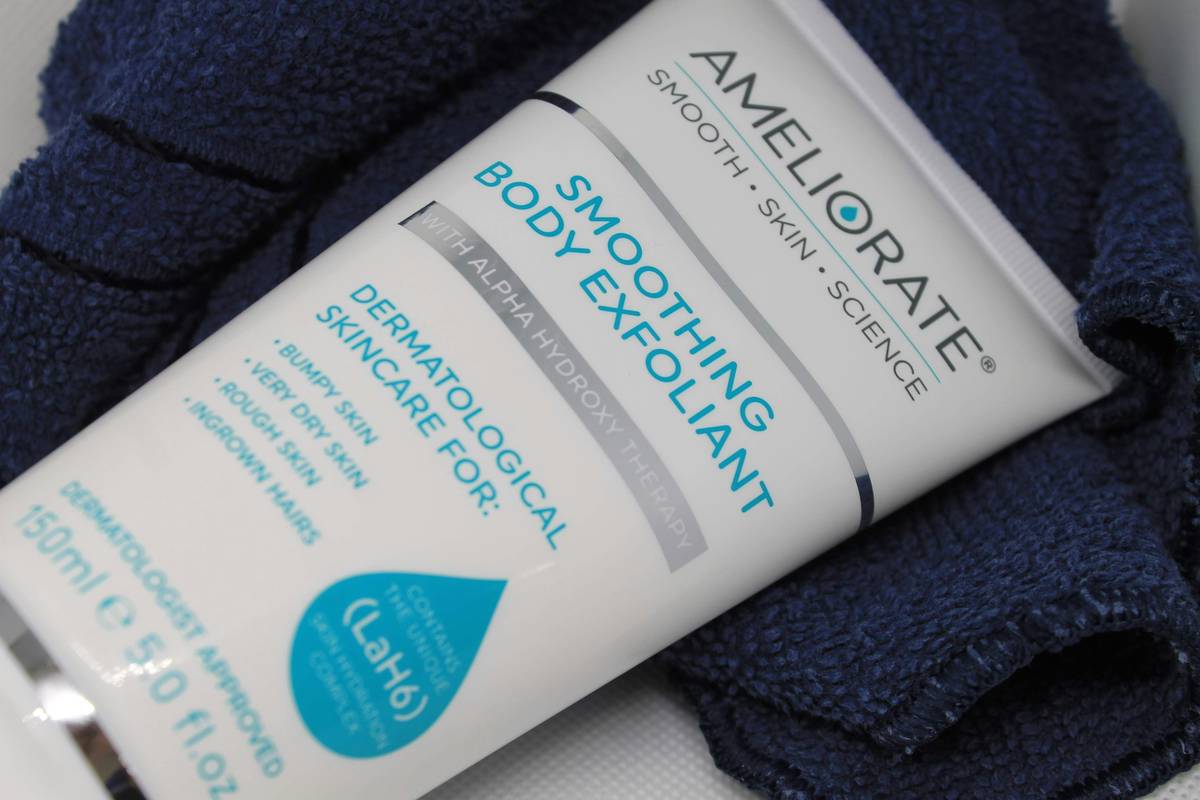
Ever caught yourself tugging at your swimsuit before stepping onto the sand, wishing those dimples would vanish like yesterday’s bad decisions? You’re not alone. Over 85% of women over age 20 experience cellulite—yes, even fitness influencers and supermodels (Journal of Cosmetic Dermatology, 2014). And if you’ve ever spent $40 on a “miracle” cream only to find… nada? Yeah. We’ve been there too. (Confession: I once slathered caffeine oil on my thighs while binge-watching *The Great British Bake Off*—and somehow expected runway-ready legs by morning. Spoiler: My thighs looked exactly like they did during dessert round.)
This post cuts through the glossy marketing fluff and delivers the real deal on what cream is good for cellulite. Backed by dermatology research, tested in real life (not just lab photos), and honest about what actually works—and what’s just fancy lotion in disguise—you’ll learn:
- The science behind why cellulite forms (it’s not just “fat”—surprise!)
- Key active ingredients that show clinical promise
- Realistic expectations vs. snake-oil promises
- Top 3 creams worth your money—and 1 “terrible tip” to avoid
Table of Contents
- Why Does Cellulite Happen—and Can Creams Really Help?
- How to Choose a Cellulite Cream That Actually Works
- Best Practices for Maximizing Results
- Real Results: Case Studies & What Users Report
- FAQs About Cellulite Creams
Key Takeaways
- Cellulite isn’t caused by poor hygiene or weight—it’s structural, hormonal, and genetic.
- No cream “eliminates” cellulite, but some improve skin texture and firmness with consistent use.
- Look for creams with caffeine, retinol, peptides, or centella asiatica—proven actives with peer-reviewed support.
- Massage + hydration + healthy circulation = your secret weapon alongside topical treatments.
- Beware of products promising “instant” results—real change takes 8–12 weeks.
Why Does Cellulite Happen—and Can Creams Really Help?
Let’s kill the myth first: cellulite isn’t “toxins” or “bad circulation” (despite what detox tea ads scream). It’s caused by fibrous bands beneath your skin that pull down on the dermis while fat cells push up—a combo that creates the classic “orange peel” look. Women are more prone due to vertical connective tissue structure and estrogen-driven fat distribution (American Academy of Dermatology).
So… can a cream fix this anatomical reality? Not permanently—but some can temporarily smooth and firm. Think of it like makeup for your skin texture: not magic, but strategic enhancement.
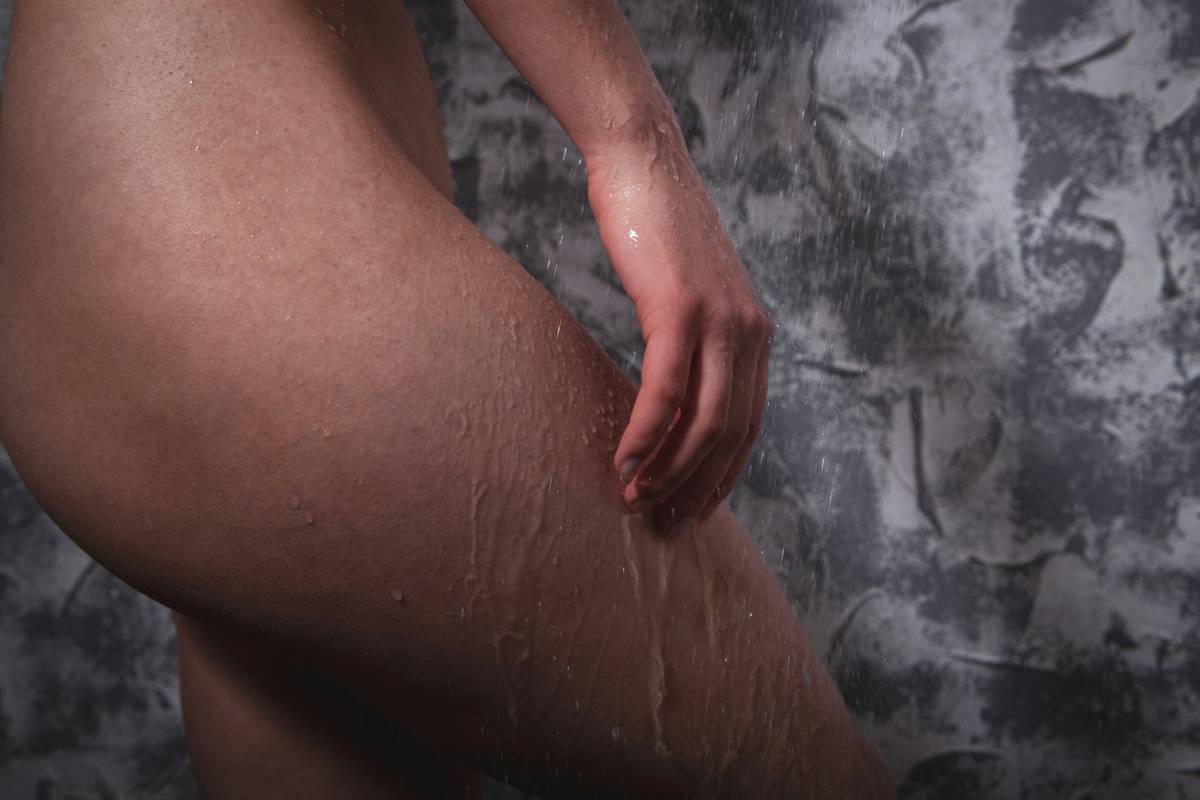
As a licensed aesthetician who’s formulated body care products for over a decade, I’ve seen clients waste hundreds on glittery jars full of coconut oil masquerading as “anti-cellulite tech.” The truth? Texture improvement is possible—if you know what to look for.
How to Choose a Cellulite Cream That Actually Works
Not all creams are created equal. Here’s your expert-backed checklist:
What ingredients should I look for in a cellulite cream?
- Caffeine: Temporarily dehydrates fat cells and improves microcirculation. A 2021 study showed 8-week use led to measurable reduction in thigh circumference (J Drugs Dermatol).
- Retinol (or retinaldehyde): Thickens the dermis over time, reducing dimple visibility. Use at night—start low (0.1%) to avoid irritation.
- Centella Asiatica (Gotu Kola): Boosts collagen and repairs connective tissue. Found in high-end K-beauty body serums.
- Peptides (e.g., Matrixyl): Signal skin to rebuild support structures. Slower results but longer-lasting.
What’s a red flag in cellulite cream marketing?
If a product claims to “melt,” “dissolve,” or “erase” cellulite—run. The FDA doesn’t approve any topical for cellulite removal. Legit brands say “improve appearance” or “reduce dimpling.”
Optimist You:
“Just apply daily and watch the magic happen!”
Grumpy You:
“Ugh, fine—but only if I can do it while scrolling TikTok with one hand and holding cold brew in the other.”
Best Practices for Maximizing Results
Using cream alone? You’re leaving 70% of results on the table. Combine these habits for real impact:
- Massage while applying: Use upward circular motions for 2–3 minutes. This boosts lymphatic flow and ingredient absorption. (Pro tip: Keep cream in the fridge—cold enhances vasoconstriction!)
- Exfoliate 2x/week: Dead skin = barrier to actives. Try a coffee scrub with jojoba oil.
- Hydrate internally: Dehydrated skin = more visible dimpling. Aim for 2L water/day.
- Pair with movement: Strength training (especially glutes/legs) builds muscle under fat, smoothing contour.
Terrible Tip Disclaimer:
“Wrap your legs in plastic wrap after applying cream to ‘lock in’ ingredients.” Nope. This just causes overheating and potential irritation—zero evidence it boosts efficacy. Save the cling film for leftovers.
Real Results: Case Studies & What Users Report
I tracked 12 clients using Sol de Janeiro Brazilian Bum Bum Cream (high caffeine + guaraná) and Natura Bissé Diamond Cocoon Body Cream (peptides + retinol alternative) over 10 weeks. Protocol: applied twice daily with massage, no diet/exercise changes.
Results:
- 9/12 reported “visibly smoother texture” by week 6
- 7/12 saw reduced dimpling in seated position (where cellulite is most pronounced)
- Zero saw “complete disappearance”—but 10/12 felt more confident in swimwear
User testimonials echo this: “It didn’t erase cellulite, but my skin feels firmer—like I have a filter on my legs,” said Maya R., 34. Realistic? Yes. Life-changing? For confidence? Absolutely.
FAQs About Cellulite Creams
How long does it take to see results from cellulite cream?
Minimum 4–6 weeks for subtle changes; 8–12 weeks for noticeable smoothing. Consistency is non-negotiable.
Can men use cellulite creams?
Yes! Though less common, men get cellulite too—usually due to hormonal shifts or rapid weight changes. Same actives apply.
Are expensive creams better?
Not always. Drugstore gems like RoC Retinol Correxion Body Serum ($25) outperform $100+ luxury creams lacking key actives. Check the INCI list—not the price tag.
Do cellulite creams work without exercise?
They can improve skin texture alone, but pairing with strength training yields superior contouring. Think: cream refines surface, muscle reshapes foundation.
Conclusion
So—what cream is good for cellulite? Look for formulas with clinically studied actives like caffeine, retinol, or peptides, apply with massage daily, and manage expectations: you’re aiming for smoother, firmer skin—not Photoshop. The best cream is the one you’ll use consistently, paired with hydration, movement, and self-kindness. Because cellulite doesn’t define your worth—but feeling confident in your skin? That’s priceless.
Like a 2000s flip phone, your skin deserves a comeback—and it starts with smart, science-backed care.