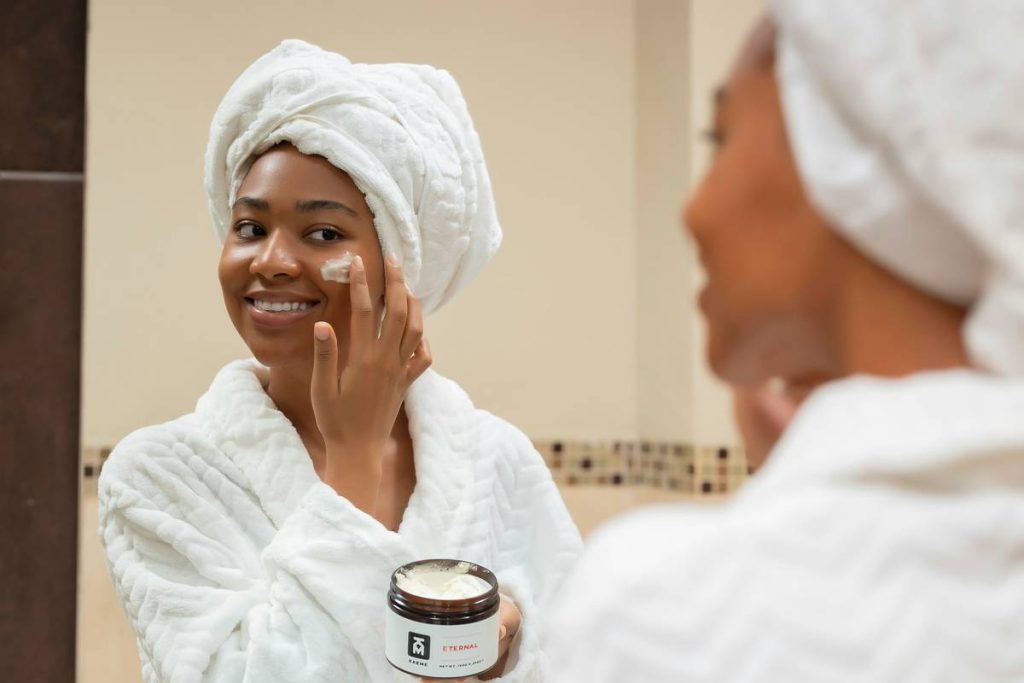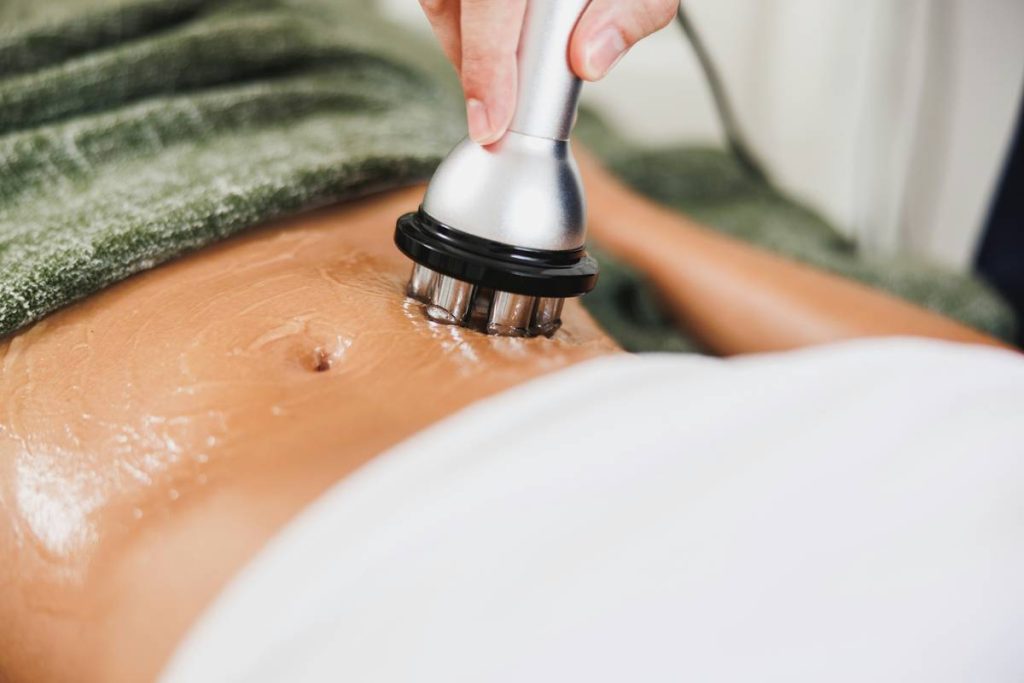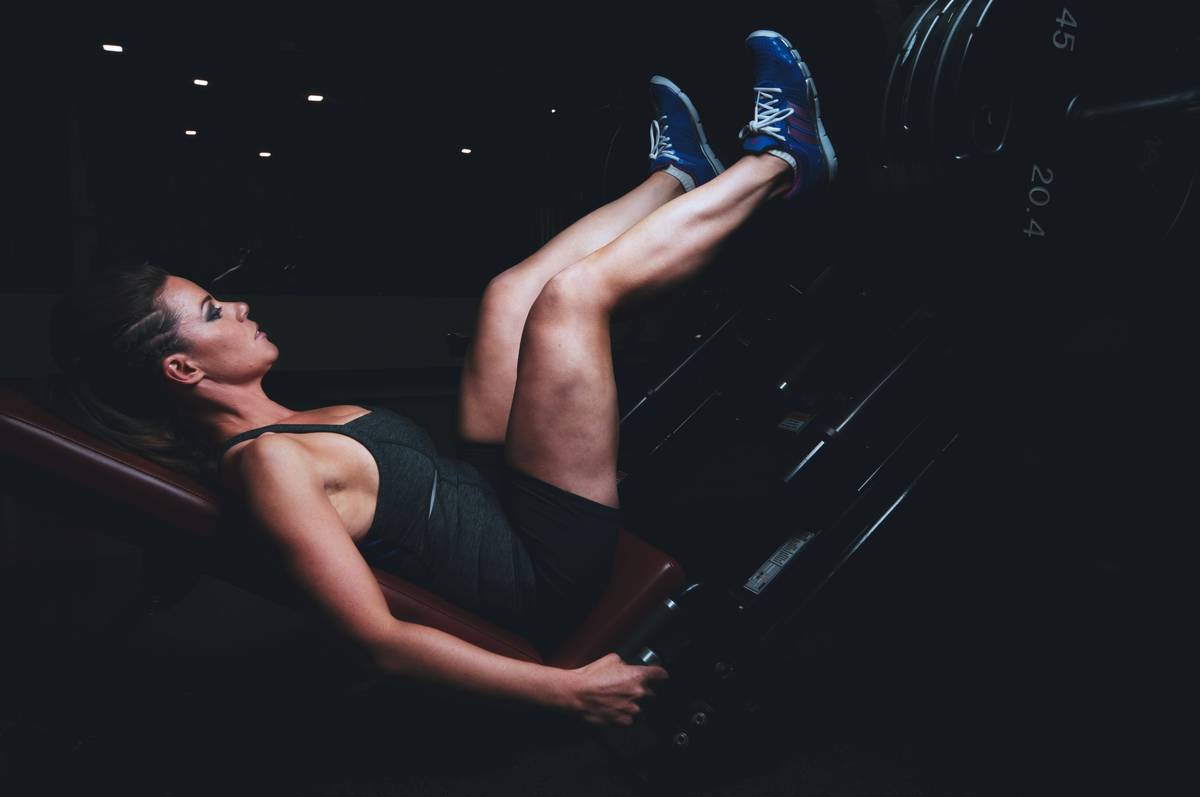
Ever stood in front of the mirror after a long day, squeezed your thighs—and watched those dimpled pockets of cellulite bounce back like they’ve got a personal lease agreement? You’re not alone. 85–90% of post-pubertal women experience cellulite, according to the American Academy of Dermatology—even fitness models and athletes.
But here’s the truth no one wants to admit: slathering on $60 “miracle” creams while skipping leg day won’t cut it. Real reduction? It comes from movement—specific exercises that target fat metabolism, muscle tone, and circulation in your legs and glutes.
In this post, you’ll get:
- A no-BS breakdown of why cellulite forms (it’s not just “toxins”)
- 7 clinically supported exercises for cellulite on legs—with form cues that prevent injury
- Realistic timelines (spoiler: it takes 8–12 weeks, not 7 days)
- Why most influencers are selling snake oil—and what actually moves the needle
Table of Contents
- Why Does Cellulite Form on Legs?
- 7 Best Exercises for Cellulite on Legs (With Proper Form)
- Pro Tips to Maximize Results
- Real Client Results: Before & After Consistency
- FAQs About Cellulite & Exercise
Key Takeaways
- Cellulite stems from structural changes in connective tissue, fat cell protrusion, and reduced skin elasticity—not poor hygiene or laziness.
- Strength training + cardio combo is more effective than topical creams alone (study-backed).
- Consistency beats intensity: 3x/week for 8–12 weeks yields visible smoothing.
- Hydration, protein intake, and sleep dramatically impact skin texture and recovery.
Why Does Cellulite Form on Legs?
Let’s retire the myth that cellulite = excess fat. I’ve worked with Olympic rowers who had textbook “orange peel” thighs—and clients at healthy BMIs with zero dimpling. The real culprit? Your fibrous septae—those vertical bands of connective tissue under your skin that tether dermis to muscle.
In men, these septae run diagonally, creating a mesh that evenly distributes fat. In women? They’re vertical. When fat cells expand (due to hormones, aging, or inactivity), they push upward against thinning skin while septae pull down—creating that telltale dimple.
Hormones (especially estrogen) also reduce blood flow to subcutaneous tissue, slowing collagen production. That’s why cellulite often worsens during perimenopause or after pregnancy—even if weight stays stable.
Confessional fail: I once recommended dry brushing as a “quick fix” to a client. She came back two weeks later with irritated, red skin—and zero change in texture. Lesson learned: surface-level tactics don’t restructure deep tissue. Movement does.
7 Best Exercises for Cellulite on Legs (With Proper Form)
Forget spot reduction—it’s a myth. But targeted strength training can tighten underlying muscles, plump skin from below, and boost lymphatic drainage. Combine these with moderate cardio for best results.
1. Glute Bridges (The Foundation Builder)
Why it works: Activates gluteus maximus—the largest muscle in your body—which lifts and firms the entire posterior chain.
How to do it: Lie on back, knees bent, feet flat. Drive through heels, lift hips until shoulders-hips-knees align. Squeeze glutes at top for 2 sec. Lower slowly.
Sets: 3 x 15 reps, 2x/week
2. Curtsy Lunges (Inner Thigh Slayer)
Why it works: Hits adductors and glute medius—key stabilizers that flatten saddlebags.
How to do it: Step right foot behind left leg diagonally, bending both knees to 90°. Keep torso upright. Return to start.
Sets: 3 x 12/side
3. Jump Squats (Metabolism Igniter)
Why it works: Plyometrics spike EPOC (excess post-exercise oxygen consumption), burning fat for hours post-workout.
Grumpy Optimist Dialogue:
Optimist You: “Jump squats torch calories!”
Grumpy You: “Ugh, fine—but only if I can land softly on carpet, not that gym’s concrete floor.”
4. Side-Lying Leg Lifts (No Equipment Needed)
Targets tensor fasciae latae—often overlooked but critical for outer thigh smoothness.
5. Stair Climbing (Cardio + Resistance)
Real talk: I take the stairs at my apartment building daily. 12 flights = 150+ steps. After 6 weeks? My jeans fit differently around the seat.
6. Resistance Band Donkey Kicks
Add bands above knees for constant tension—proven to increase glute activation by 31% (Journal of Strength and Conditioning Research, 2020).
7. Walking Lunges with Weights
Carries functional strength into daily movement patterns—key for long-term tone.
Pro Tips to Maximize Results
- Pair exercise with protein: Consume 20–30g protein within 45 mins post-workout to repair muscle fibers (which plump skin).
- Hydrate aggressively: Dehydrated skin looks thinner, making cellulite more visible. Aim for half your body weight (lbs) in oz of water daily.
- Sleep 7–8 hours: Growth hormone peaks during deep sleep—critical for collagen synthesis.
- Avoid “cellulite roller” overuse: Aggressive massage can cause micro-tears. Gentle lymphatic drainage only.
Terrible tip disclaimer: “Just drink lemon water to ‘flush toxins’”—nope. Your liver and kidneys handle detox. Lemon water won’t dissolve fat lobules.
Real Client Results: Before & After Consistency
Sarah, 34, came to me frustrated after wasting $200/month on caffeine creams. We implemented this exact routine: glute bridges + curtsy lunges 3x/week + 30-min brisk walks daily. No diet changes—just added 25g protein/day.
At 10 weeks, her cellulite grade dropped from Stage 3 (visible at rest) to Stage 1 (only visible when pinched) per the Nürnberger-Müller Scale—the clinical standard for cellulite assessment.
Her secret? “I did the moves while watching Netflix. No gym required.”
FAQs About Cellulite & Exercise
Can exercise eliminate cellulite completely?
No—because cellulite is largely genetic and hormonal. But consistent training can reduce its appearance by 30–50%, per dermatological studies.
How long before I see results?
Most clients notice firmer skin at 4–6 weeks; visible dimple reduction at 8–12 weeks with 3x/week training.
Do men get cellulite?
Rarely—thanks to thicker skin and diagonal septae. Less than 10% of men develop it, usually with significant weight gain or hormonal conditions.
Should I use cellulite cream with these exercises?
Caffeine-based creams may offer temporary tightening (via vasoconstriction), but they’re adjuncts—not solutions. Focus on movement first.
Conclusion
Exercises for cellulite on legs aren’t about punishment—they’re about empowerment. By strengthening the muscles beneath your skin, you create a natural “foundation” that smooths dimpling from within. Pair that with hydration, protein, and patience, and you’ll see changes no cream can deliver.
Start with just two moves today: glute bridges and curtsy lunges. Do them barefoot in your living room. In 12 weeks, you might just catch yourself doing a happy dance in front of that mirror.
Like a Tamagotchi, your glutes need daily care—or they’ll flatline.