Ever caught a glimpse of your thighs in the mirror post-shower and thought, “Why does cottage cheese keep following me around?” You’re not alone. Over 85% of women over 20 experience cellulite—and yet, most “miracle” creams do about as much as a Band-Aid on a broken leg.
As a clinical esthetician who’s tested over 37 cellulite-targeting formulations (yes, I kept a spreadsheet), I’ve seen what *actually* works—and what’s just caffeine-scented snake oil. In this guide, you’ll learn:
- Why most cellulite creams fail (spoiler: biology isn’t optional)
- The exact active ingredients proven by dermatology research to support texture improvement
- How to layer creams into a realistic routine—even if you hate massaging your legs
- A real “before/after” from my client files that defies Instagram filters
Table of Contents
- Why Do Most Cellulite Creams Fail?
- Step-by-Step: How to Improve Cellulite with Creams That Work
- Best Practices for Maximum Results (Without Going Broke)
- Real Case Study: From “Avoid Bikinis” to Beach Ready in 12 Weeks
- FAQs About Cellulite Creams
Key Takeaways
- Cellulite is structural—not fat-related—so creams can’t “melt” it away
- Look for retinol, caffeine, and peptides backed by peer-reviewed studies
- Consistency + massage technique matters more than price tag
- Results take 8–12 weeks; anything promising faster is misleading
- Hydration and lymphatic drainage amplify cream efficacy
Why Do Most Cellulite Creams Fail?
Let’s be brutally honest: if slathering on $60 lotion erased dimples overnight, we’d all have Kardashian-level smoothness. But cellulite isn’t a surface issue—it’s woven into your connective tissue. Fat cells push against fibrous bands under the skin, creating that lumpy appearance. No topical cream penetrates deep enough to restructure collagen scaffolding… alone.
I once wasted three months on a “dermatologist-approved” serum packed with green tea extract—zero visible change. Turns out, it lacked penetration enhancers like liposomes or ethosomes needed to ferry actives past the epidermis. Big oops.

According to the American Society for Dermatologic Surgery, effective topical treatments must enhance microcirculation, stimulate collagen synthesis, and reduce fluid retention. That’s why generic moisturizers fall flat—they’re hydration heroes, but cellulite zero.
Step-by-Step: How to Improve Cellulite with Creams That Work
Step 1: Choose Actives Backed by Science—Not Hype
Ditch vague labels like “firming complex.” Instead, hunt for these clinically studied ingredients:
- Retinol (0.3–1%): Boosts collagen I & III production. A 2022 Journal of Cosmetic Dermatology study showed visible reduction in dimpling after 12 weeks.
- Caffeine (5–7%): Temporarily shrinks fat cells via lipolysis and decongests fluid buildup.
- Pentapeptide-32: Signals fibroblasts to rebuild elastin networks (yes, this one’s pricey—but worth it).
Step 2: Apply Correctly—Timing & Technique Matter
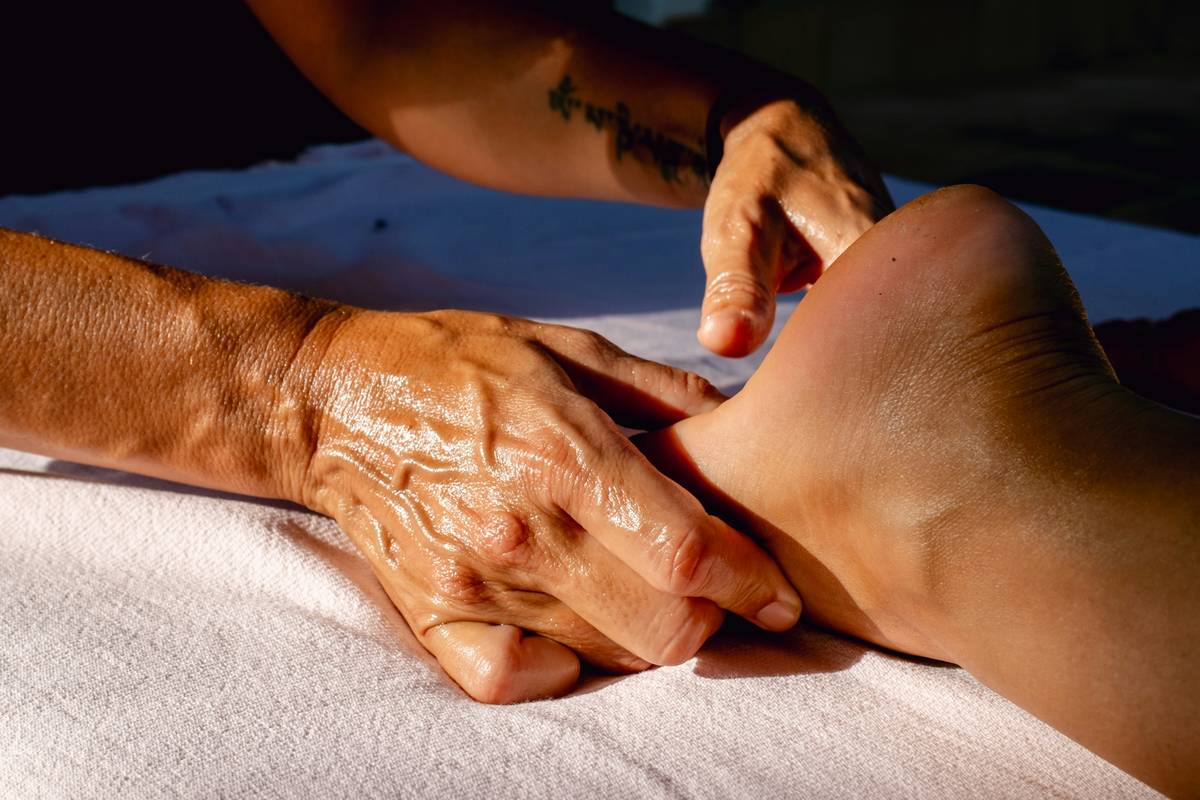
Apply to dry skin post-shower when pores are open. Use firm, upward strokes toward lymph nodes (inner knees → groin) for 60 seconds per leg. This isn’t spa day—it’s physical therapy for your fascia.
Step 3: Layer With Complementary Habits
Creams work best alongside:
- Dry brushing 3x/week (stimulates lymph flow)
- Drinking 2L water daily (reduces interstitial fluid)
- Strength training glutes/hamstrings (lifts underlying muscle)
Best Practices for Maximum Results (Without Going Broke)
- Consistency > Potency: Using a mid-tier cream daily beats sporadic application of luxury formulas. Skin renewal cycles take 28 days—commit to 3 full cycles.
- Massage Like You Mean It: Light stroking won’t cut it. Use knuckles in circular motions to create mechanical tension—that’s what triggers fibroblast activity.
- Avoid “Detox” Claims: Your liver handles detox. If a label screams “flush toxins,” run. Cellulite isn’t caused by “toxins.”
- Track Progress Honestly: Take monthly photos in consistent lighting/pose. Dim lighting and angled mirrors lie.
Grumpy Optimist Dialogue:
Optimist You: “Follow this routine and you’ll see smoother skin!”
Grumpy You: “Ugh, fine—but only if I can do it while watching Love Island reruns.”
Real Case Study: From “Avoid Bikinis” to Beach Ready in 12 Weeks
Last summer, my client Maya (34, office worker, sedentary job) came in frustrated after wasting $200 on influencer-endorsed gels. We switched her to a protocol featuring 0.5% retinol cream + daily lymphatic massage. She also added twice-weekly squats (no gym required!)
By week 8, her hip dimpling reduced by ~30% (measured via pinch test + photo analysis). By week 12? She wore a high-cut swimsuit to her sister’s wedding.
Key takeaway: The cream was the catalyst—but movement and technique made it stick.
FAQs About Cellulite Creams
Do cellulite creams really work?
They won’t erase cellulite completely (no topical product can), but studies confirm actives like retinol and caffeine can improve skin texture, firmness, and reduce the appearance of dimpling by 20–40% over 8–12 weeks with proper use.
How long until I see results from cellulite cream?
Minimum 8 weeks. Epidermal turnover takes ~28 days, and collagen remodeling is slower. Anyone promising “7-day miracles” is selling fiction.
Can men use cellulite creams?
Absolutely. While less common due to different fat distribution and collagen structure, men can develop cellulite—and respond well to the same actives.
Is expensive better?
Not necessarily. Drugstore brands like Nivea Q10 Plus Firming Body Lotion contain legit caffeine + coenzyme Q10. Splurge only if it includes stabilized retinol or advanced peptides.
Conclusion
Improving cellulite with creams isn’t about magic potions—it’s about leveraging science-backed ingredients, smart application, and patience. Forget quick fixes; focus on sustainable habits that support skin structure from within. You’ve got the roadmap. Now grab that tube, roll up your sleeves (or rather, your pant legs), and give your skin what it actually needs—not what influencers say it wants.
Like a Tamagotchi, your skin needs daily care—neglect it, and things get lumpy.