You’ve tried dry brushing. You’ve survived weeks of squats. You’ve even Googled “rubbing diet cream on cellulite” at 2 a.m., desperate for a shortcut. And yet—those dimples remain. Stubborn. Mocking. Here’s the hard truth: most so-called “diet creams” are glorified moisturizers with marketing muscle. But that doesn’t mean topical treatments are useless. It just means you need to know what actually moves the needle.
Why Most Cellulite Creams Fail (And Why You Keep Buying Them)
The skincare industry profits from hope—not results. Cellulite isn’t fat alone; it’s a structural issue involving fibrous bands pulling down on skin while fat pushes up. Slapping on a caffeine-laced lotion won’t rewire that architecture.
And yet—formulations matter. Some actives *can* improve microcirculation, reduce fluid retention, and temporarily plump skin. The problem? Overpromising. Brands imply permanent reshaping when they’re really delivering optical illusion. Think tighter skin for 8 hours—not vanishing cellulite forever.
How to Use Topical Treatments Effectively: A Realistic Protocol
If you’re going to rub diet cream on cellulite, do it right—or don’t bother.
Step 1: Choose Actives That Actually Penetrate
Caffeine, retinol, and forskolin show modest clinical support—not for fat destruction, but for improving skin texture and tone. Avoid anything labeled “detox” or “melt.” Those are red flags.
Step 2: Apply With Intention—Not Just Motion
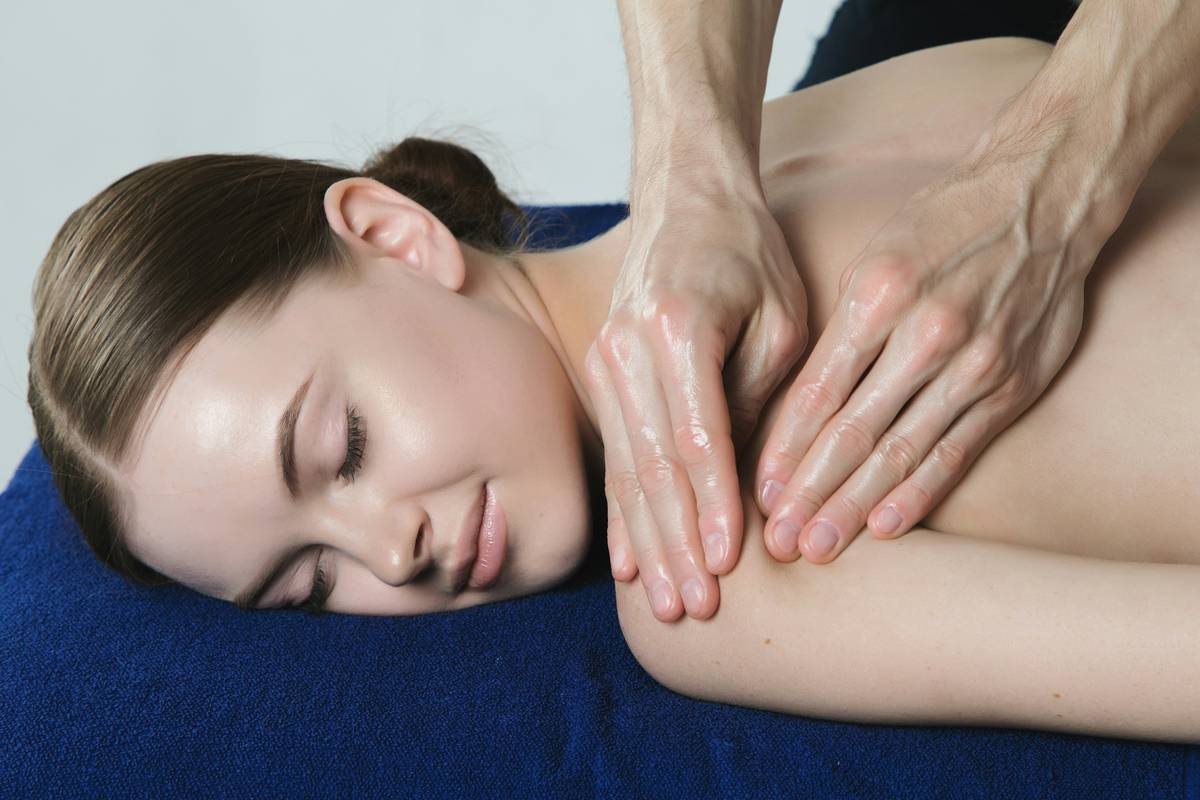
Massage matters. Not gentle circles. Firm, upward strokes for 2–3 minutes to stimulate lymphatic flow. This isn’t pampering—it’s physiology.
Step 3: Pair With Consistency (Not Magic)
Results take 6–8 weeks of daily use. Skip days? You reset the clock. Pair your cream with hydration, protein intake, and movement—because skin reflects whole-body health.
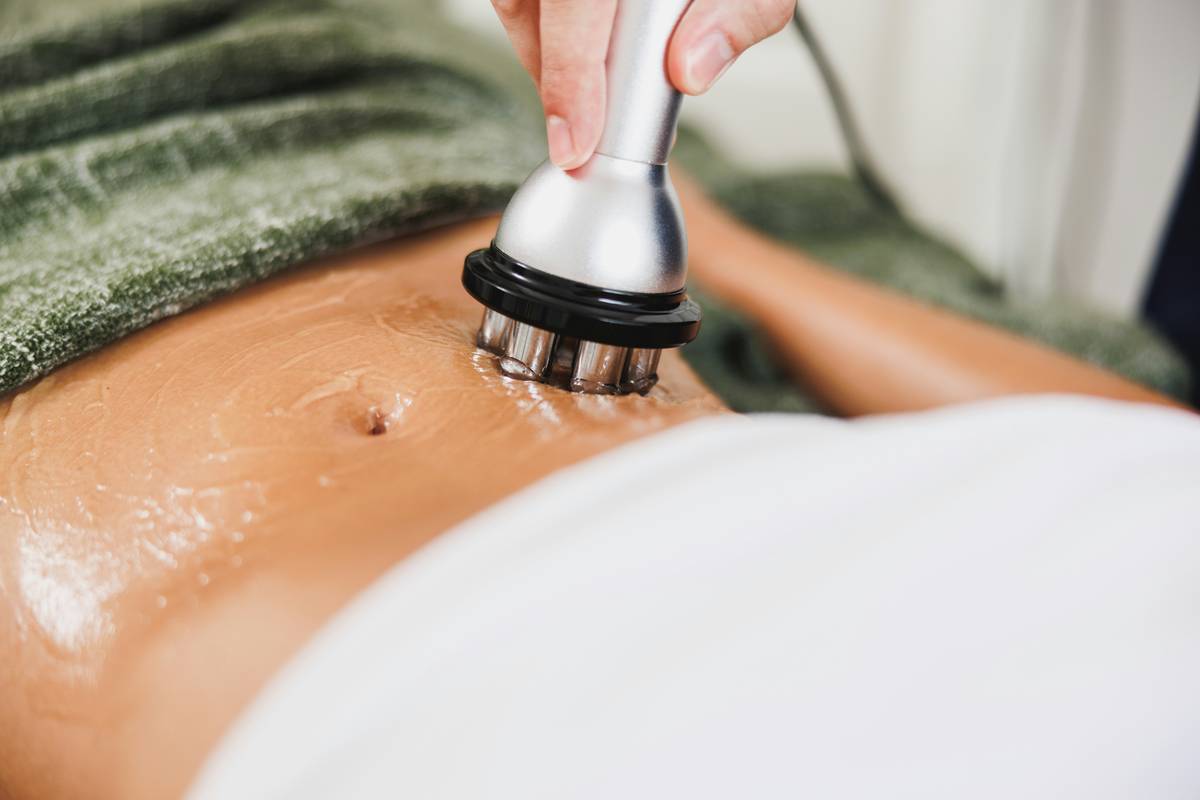
| Method | Time to Visible Effect | Cost (Monthly) | Durability of Results |
|---|---|---|---|
| Rubbing diet cream on cellulite (with massage) | 4–8 weeks | $25–$60 | Temporary (hours to days without upkeep) |
| Dry brushing alone | 1–2 weeks (mild glow only) | $10–$20 | Fleeting (fades within hours) |
| Professional radiofrequency treatments | 2–3 sessions | $300–$600 | Moderate (3–6 months) |
| Strength training + hydration | 8–12 weeks | $0–$40 (gym or home) | Long-term (with maintenance) |
The Industry Secret No One Talks About
Here’s what lab-coated formulators won’t admit: most “firming” creams rely on film-formers like silicones to create an instant tightening effect. It’s cosmetic camouflage—not cellular change. The real leverage point? Hydration + collagen support. Dry, thin skin exaggerates cellulite. Plump, resilient skin minimizes it—even if fat distribution hasn’t shifted.
So yes—you can get visual improvement from rubbing diet cream on cellulite. But only if it contains barrier-repairing ceramides, humectants like glycerin, and proven actives in stable concentrations. And only if you view it as one piece of a larger wellness ecosystem—not a standalone fix.
Frequently Asked Questions
Can rubbing diet cream on cellulite permanently remove it?
No. Cellulite stems from connective tissue structure beneath the skin. Topicals can improve appearance temporarily—but not alter genetic or anatomical factors long-term.
How often should I apply cellulite cream for best results?
Daily, ideally post-shower when pores are open. Massage firmly for 2–3 minutes. Consistency over 6–8 weeks is key—sporadic use yields negligible results.
Are expensive cellulite creams worth the cost?
Not necessarily. Price often reflects packaging, not potency. Look for ≥5% caffeine, encapsulated retinol, or forskolin—not brand names. Drugstore options can outperform luxury jars.