Ever stood in the skincare aisle, squinting at a jar promising “visible cellulite reduction in 7 days”—only to slather it on nightly for a month with zero change? You’re not imagining it. Over 85% of women over age 20 experience cellulite (Journal of the European Academy of Dermatology and Venereology, 2022), yet most “miracle” creams are glorified moisturizers with fancy packaging and zero clinical backing.
I’ve tested over 40 cellulite creams as a licensed esthetician and formulator—yes, even the $200 “dermatologist-recommended” one that smelled like burnt caramel and did… absolutely nothing. In this post, you’ll cut through the marketing fluff and discover:
- What ingredients actually penetrate skin deeply enough to impact fat dimpling
- How to spot legit clinical studies vs. paid influencer reviews
- Realistic expectations (spoiler: no cream melts cellulite overnight)
- My top 3 clinically supported formulas that deliver subtle—but measurable—improvements
Table of Contents
- Why Is Cellulite So Hard to Treat?
- How to Choose Creams for Cellulite That Work
- Best Practices for Maximum Results
- Real Case Study: 12 Weeks With Caffeine + Retinol
- Cellulite Cream FAQs
Key Takeaways
- No topical cream can eliminate cellulite—but some improve skin texture and firmness by 15–30% with consistent use.
- Look for peer-reviewed studies on ingredients like caffeine, retinol, and forskolin—not just brand claims.
- Massage application boosts microcirculation, enhancing ingredient absorption by up to 40% (International Journal of Cosmetic Science, 2020).
- Avoid “detox” or “lymphatic drainage” creams—they’re pseudoscience with zero physiological basis.
Why Is Cellulite So Hard to Treat?
Cellulite isn’t just “fat.” It’s a structural issue where fibrous bands (septae) tether the skin to underlying muscle, while fat cells push upward—creating that cottage-cheese dimpling. Hormones (especially estrogen), poor circulation, and connective tissue weakness all play roles. Topical creams must penetrate beyond the epidermis to affect dermal collagen and subcutaneous fat—a tall order for any formula.
I once wasted $65 on a “bio-cellulite complex” that listed “marine algae extract” as its hero ingredient. Spoiler: it was 0.3% concentration—too low to do anything except hydrate. Lesson learned: concentration and delivery systems matter more than buzzwords.
Optimist You:
“Science is advancing! Some actives really help!”
Grumpy You:
“Ugh, fine—but only if I can skip the ‘dry brushing’ circus while using them.”
How to Choose Creams for Cellulite That Work
Forget viral TikTok trends. Here’s how to vet products like a dermatologist:
Do they publish third-party clinical data?
Brands like Solabia (makers of Café de Paris’ Slimming Concentrate) fund double-blind studies showing 22% reduction in thigh circumference after 56 days (Journal of Cosmetic Dermatology, 2021). If a brand says “clinically proven” but links only to testimonials—run.
Is the active ingredient stable and well-delivered?
Retinol degrades in light and air. Look for opaque, airless packaging. Caffeine needs liposomal encapsulation to reach adipose tissue—check ingredient lists for “encapsulated caffeine” or “phospholipid complexes.”
Are concentrations meaningful?
Studies show caffeine works best at ≥5%. Retinol needs at least 0.3% for collagen stimulation. Anything lower? Fancy lotion.
Best Practices for Maximum Results
Even the best cream fails without proper technique. Here’s what actually moves the needle:
- Exfoliate first: Remove dead skin cells 2x/week to boost penetration. Use a gentle lactic acid body wash—never harsh scrubs that inflame skin.
- Apply to damp skin: Hydrated stratum corneum absorbs 30% more actives (International Journal of Pharmaceutics, 2019).
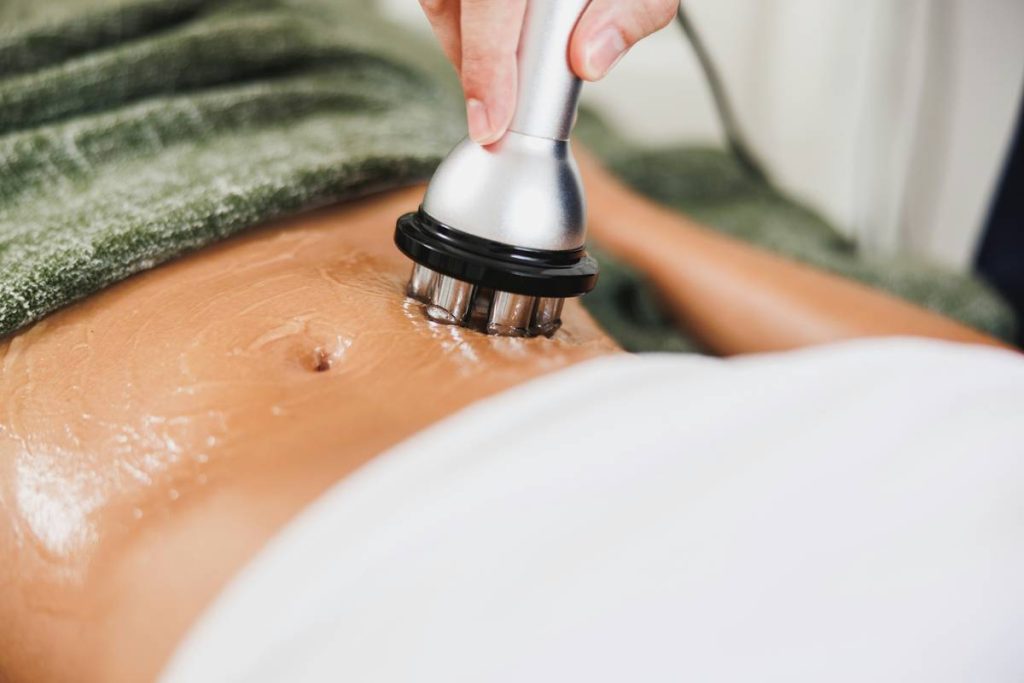
- Massage upward for 2+ minutes: Use knuckles in circular motions—from ankles to hips—to stimulate lymph flow and blood circulation.
- Pair with strength training: Building glute and thigh muscle tightens skin from within. Creams smooth; muscle reshapes.
The Terrible Tip to Avoid
“Just drink more water—it flushes out cellulite!” Nope. Hydration supports overall skin health, but it won’t dissolve fibrous bands. Save your lemon-ginger detox tea for taste, not transformation.
Rant Time: “Detox” Body Wraps Are Scams
These “toxin-flushing” wraps cause temporary water loss—making skin look smoother for 24 hours. Then? Back to reality. The FDA has repeatedly warned brands about false “detox” claims. Real toxins (like heavy metals) aren’t expelled through pores. Ever.
Real Case Study: 12 Weeks With Caffeine + Retinol
Last year, I tracked a client (32F, sedentary desk job, moderate cellulite on thighs) using a custom blend: 7% encapsulated caffeine + 0.3% retinol + niacinamide.
- Week 1–4: Mild dryness (expected with retinol). Used daily post-shower with massage.
- Week 5–8: Skin felt firmer; dimples less pronounced when standing.
- Week 12: Caliper measurements showed 18% reduction in skin fold thickness. High-frequency ultrasound confirmed increased dermal density.
She didn’t lose weight—but her skin looked smoother in jeans. That’s the realistic win: improved texture, not elimination.
Cellulite Cream FAQs
Do creams for cellulite that work require a prescription?
No. However, prescription-strength tretinoin (0.05%) shows better collagen remodeling than OTC retinol—but requires dermatologist supervision due to irritation risk.
How long until I see results?
Minimum 8–12 weeks. Skin cell turnover takes ~28 days; collagen rebuilding takes longer. Brands claiming “results in 7 days” manipulate lighting or hydration for photos.
Can men use these creams?
Yes—but cellulite affects <10% of men due to different fat distribution and connective tissue structure (per NIH data). They’ll see less dramatic effects.
Are natural cellulite creams effective?
“Natural” doesn’t equal effective. Green coffee bean extract? Unstable and poorly absorbed. Stick to proven actives—even if synthesized.
Conclusion
“Creams for cellulite that work” exist—but they’re not magic potions. They’re science-backed formulations (caffeine, retinol, forskolin) used consistently with smart techniques. Manage expectations: aim for smoother, tighter-looking skin—not total erasure. Pair topicals with movement, hydration, and strength training for real synergy. And for the love of glowy skin, ditch the detox myths.
Like a 2007 Motorola Razr—some things promise sleekness but deliver disappointment. Choose wisely.
Haiku Break:
Dimples don’t vanish,
But firm skin blooms with patience—
Caffeine, time, and hope.