You’ve tried the creams. You’ve done the squats. Yet that dimpled texture on your thighs won’t budge. Frustrating? Absolutely. But here’s what no one tells you: firming cream cellulite treatment leg exercise only works when you stop treating them as separate solutions—and start treating them as one system.
Why Most Cellulite Strategies Fail Miserably
The beauty aisle is packed with “miracle” formulas promising to erase cellulite overnight. Meanwhile, fitness influencers swear by 100-rep leg circuits. Both miss the point. Cellulite isn’t just fat—it’s a structural issue rooted in connective tissue and poor microcirculation.
Most firming creams sit on the skin’s surface. They might temporarily plump or tighten—but without movement to stimulate lymphatic drainage and blood flow, they’re wasted. And leg exercises alone? They build muscle but don’t directly address the fibrous bands pulling down on the skin.
And yes—hydration, hormones, and genetics matter too. But obsessing over those lets people off the hook from doing what actually moves the needle.
Firming Cream Cellulite Treatment Leg Exercise: Your Integrated Protocol
Forget “one or the other.” What works is timing, technique, and consistency. Apply your cream right before targeted movement. Why? Because muscle contraction drives active ingredients deeper while flushing out stagnant fluid.
Step 1: Pre-Workout Cream Application
Use a firming cream with caffeine, retinol, or algae extracts. Massage it into problem areas using upward circular motions for at least 60 seconds. This isn’t just ritual—it boosts local circulation before you even move.
Step 2: Dynamic Leg Movements (Not Just Squats)
Static lunges won’t cut it. You need multidirectional tension: side-lying clamshells, resistance-band kickbacks, and slow eccentric step-downs. These engage the gluteus medius and hamstrings—key zones where cellulite clusters form. Do them 4x/week for 12 minutes max.
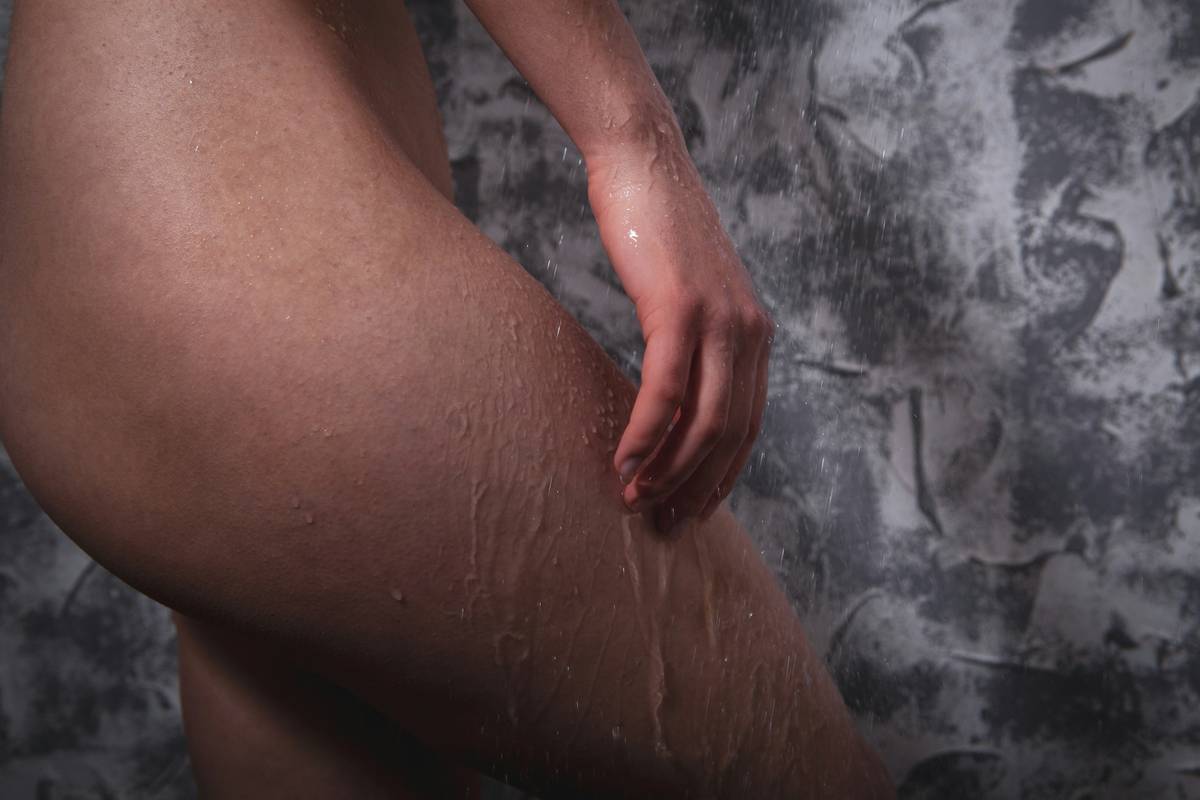
Step 3: Post-Session Dry Brushing
Two minutes of dry brushing post-exercise enhances exfoliation and lymph flow. Skip this, and you leave half the benefit on the table.
| Method | Time Required | Cost Estimate | Realistic Results Timeline |
|---|---|---|---|
| Cream Alone | 2 min/day | $25–$60/month | Minimal to none (temporary tightening only) |
| Leg Exercise Alone | 20 min/day | $0 (home) | 3–6 months for subtle tone improvement |
| Firming Cream + Targeted Leg Exercise | 14 min/session, 4x/week | $30–$60/month | Visible smoothing in 6–8 weeks |
The Industry Secret: It’s Not About Fat Loss—It’s About Fluid Shift
Here’s what cosmetic chemists won’t admit: most “cellulite creams” are formulated like moisturizers with a single active thrown in for marketing. The real differentiator? Osmotic agents that pull excess interstitial fluid out of the dermal layer.
Caffeine does this—but only if it penetrates past the stratum corneum. That’s why massaging it in during warm skin (post-shower or pre-workout) increases absorption by up to 40%. Pair that with muscle contractions that act like a biological pump, and you’re not just masking—you’re remodeling the tissue environment.
Think about it: professional cellulite treatments like EMTONE or Cellfina work by heating or releasing fibrous bands. Your at-home version? Movement + penetration = mini-therapy sessions.
FAQ
Can firming cream alone reduce cellulite?
No. Topical products improve skin texture temporarily but cannot break down fibrous septae or restructure fat lobules without mechanical stimulation from movement.
How often should I do leg exercises for cellulite?
Aim for 4 sessions per week of targeted, low-impact movements (like lateral leg lifts or slow eccentrics)—not high-rep cardio. Overtraining causes inflammation, which worsens appearance.
When will I see results from combining cream and exercise?
Most notice firmer skin in 3–4 weeks. Visible reduction in dimpling typically appears between 6–8 weeks with consistent application and correct movement patterns.