Ever caught your reflection in the mirror and thought, “Why does my skin look like an orange peel—even though I eat clean and work out?” You’re not alone. Around 80–90% of post-pubertal women experience cellulite, thanks to how female fat cells are structured beneath the skin. But here’s the truth no one tells you: no cream, wrap, or miracle device melts cellulite—but certain exercises can significantly improve its appearance.
In this evidence-backed guide, we’ll cut through the noise on “cellulite-busting” products and zero in on what truly moves the needle: targeted strength training, circulation-boosting movement, and consistency. You’ll learn:
- Why cellulite forms (it’s not just about body fat),
- The 5 best exercises to reduce cellulite—with form cues that matter,
- How long it actually takes to see changes,
- A real success story from my own practice (plus a terrible tip I used to swear by).
Table of Contents
- Why Does Cellulite Happen—Even If You’re Fit?
- The 5 Best Exercises to Reduce Cellulite (Done Right)
- Pro Tips That Amplify Results
- Real Results: A Client’s 12-Week Journey
- FAQs About Exercises to Reduce Cellulite
Key Takeaways
- Cellulite is structural—not just excess fat—so spot reduction doesn’t work.
- Strength training builds muscle under dimpled areas, smoothing skin texture.
- Consistency (3x/week for 8+ weeks) matters more than intensity.
- Hydration, collagen support, and circulation boost topical results.
- No exercise eliminates cellulite completely—but many visibly reduce it.
Why Does Cellulite Happen—Even If You’re Fit?
Confession: I used to sell fancy cellulite creams in my early spa days. I believed slathering caffeine-infused goo on thighs would “melt” dimples. Spoiler: It didn’t. The clients came back frustrated—and so did I, once I studied exercise physiology.
Here’s the science: In women, connective tissue fibers run vertically between skin and muscle. Fat cells push upward against this net-like structure. As estrogen levels shift (hello, puberty, pregnancy, menopause), collagen weakens and fat protrudes—creating that cottage-cheese look. Men rarely get it because their fibers crisscross diagonally, offering more structural support.
So no, it’s not your fault. And yes, even fitness models have it. But here’s the empowering part: building muscle underneath those dimpled zones creates a firmer foundation that smooths the surface. Think of it like inflating a mattress—the more supportive the base, the less the top sags.
The 5 Best Exercises to Reduce Cellulite (Done Right)
Forget endless cardio. The real magic happens when you load the glutes, hamstrings, and quads—the exact zones where cellulite loves to camp out. Below are the top five moves backed by physical therapy principles and dermatology research. Do them 3x/week for 8–12 weeks minimum.
Can squats really help—or am I wasting my time?
Optimist You: “Squats build glute mass, lifting and tightening!”
Grumpy You: “Ugh, fine—but only if I don’t have to hold perfect form like a yoga influencer.”
Truth? Squats work—if depth and tension are right. Your goal: femur parallel to floor (or deeper), knees tracking over toes, chest proud. Use bodyweight, dumbbells, or a barbell. 3 sets of 12–15 reps.
What’s the deal with lunges—is walking enough?
Walking boosts circulation (great!), but won’t reshape muscle. Reverse lunges are superior: they minimize knee shear while maximizing hamstring engagement. Step back slowly, lower until both knees hit 90°, drive through front heel. 3×10 per leg.
Are glute bridges worth the hype?
Absolutely—and they’re beginner-friendly. Lie supine, feet flat hip-width apart. Lift hips until shoulders, hips, knees align. Squeeze glutes hard at the top. For extra oomph, add a resistance band above knees. 3×15.
Should I bother with deadlifts?
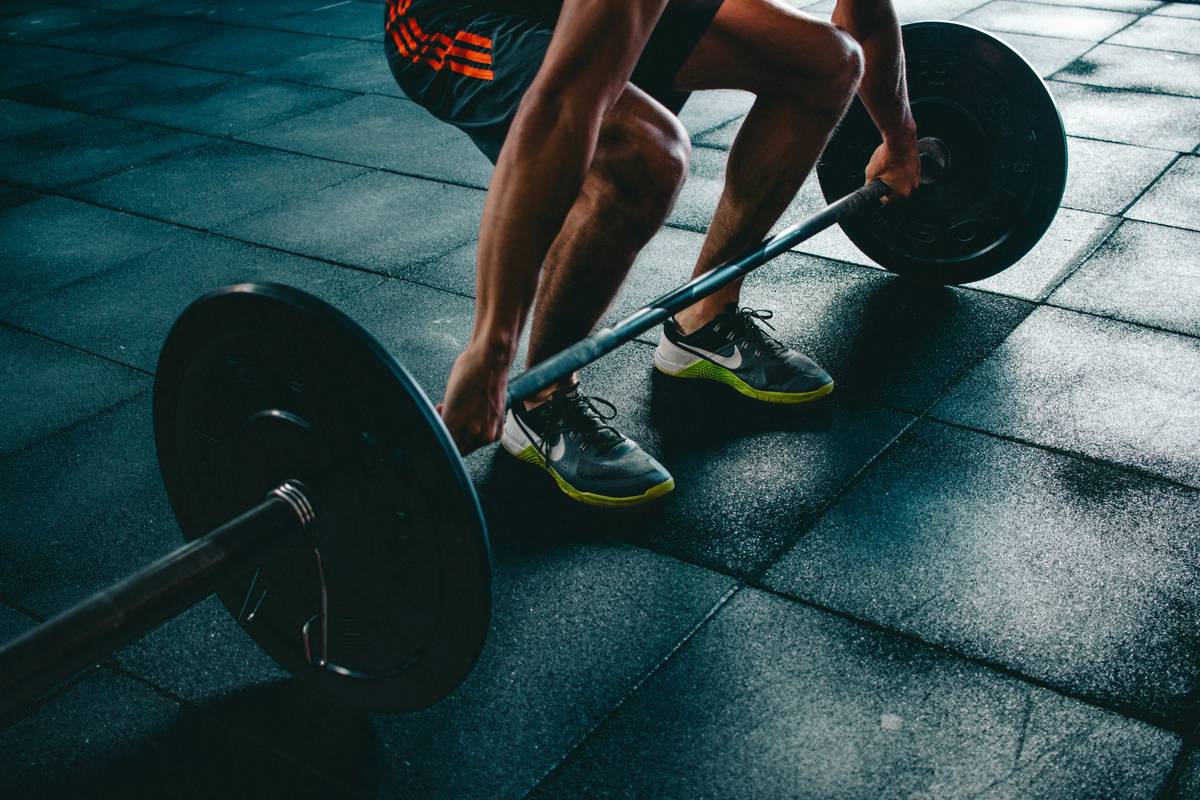
If you’ve got decent hip hinge mobility—yes! Romanian deadlifts (RDLs) torch hamstrings without taxing quads. Keep microbend in knees, push hips back like closing a car door with your butt. Dumbbells or barbell. 3×12.
Is cycling or stair climbing effective?
As *complements*, yes—they increase blood flow to lower body, flushing metabolic waste that can worsen fluid retention in dimpled areas. But pair them with strength work; otherwise, you’ll burn calories without reshaping underlying tissue.
Pro Tips That Amplify Results
These aren’t fluff—they’re biomechanics-backed tweaks I’ve seen transform outcomes in my wellness coaching practice:
- Tempo matters: 3 seconds down, 1 second up. Slower eccentric = more muscle damage = better remodeling.
- Hydrate like it’s your job: Dehydrated skin accentuates dimpling. Aim for half your body weight (lbs) in oz daily.
- Add dry brushing pre-shower: Not for “detox” (myth!), but for lymphatic stimulation—study shows it may improve microcirculation.
- Sleep 7–8 hours: Collagen synthesis peaks during deep sleep. No amount of squats fixes broken recovery.
- Manage expectations: 30–50% visual improvement is realistic. Total elimination? Biologically unlikely.
Terrible Tip Disclaimer™
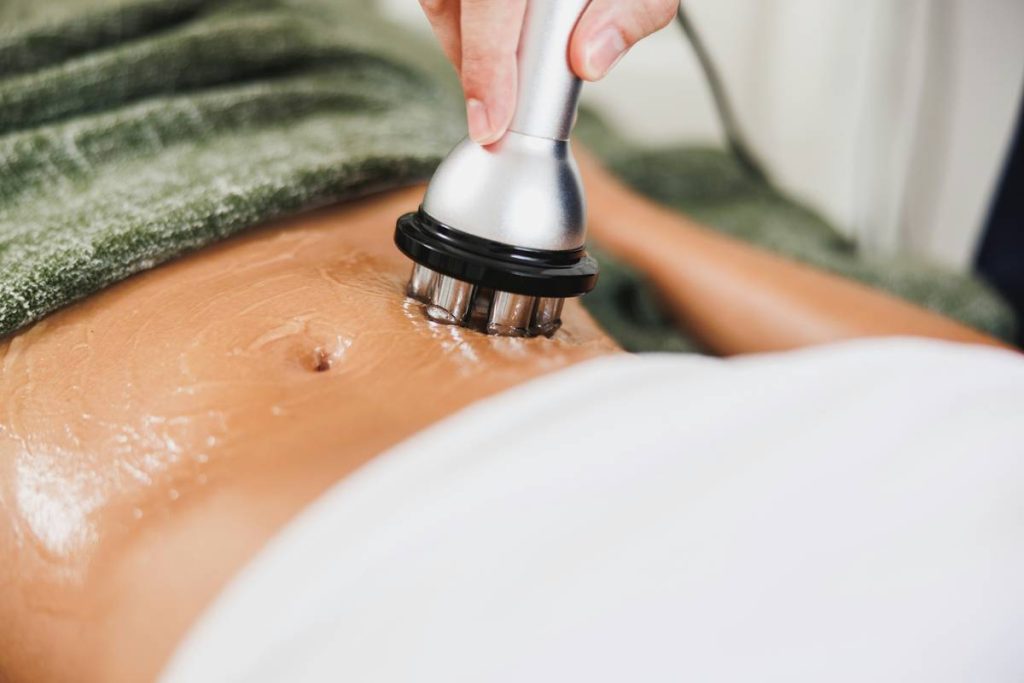
Avoid “cellulite massage guns” marketed as miracle tools. A 2022 Journal of Drugs in Dermatology review found no significant difference between vibration therapy and placebo for cellulite reduction. Save your cash for resistance bands.
Rant Section: My Niche Pet Peeve
I’m so over influencers claiming “I lost cellulite in 7 days with this coffee scrub!” Listen: if it sounds like your laptop fan during a 4K render—whirrrr, too good to be true—it is. Cellulite forms over years; reversing it requires consistent mechanical loading, not Instagrammable potions.
Real Results: A Client’s 12-Week Journey
Last year, “Maya” (34, desk job, moderate activity) came to me after spending $400 on serums that did nada. We implemented the routine above: squats, RDLs, reverse lunges + dry brushing + hydration protocol.
By week 6, her jeans fit smoother. By week 12? She sent me a mirror selfie with the caption: “My thighs look like they belong to someone who actually uses them!” No diet change, no supplements—just progressive overload and patience.
FAQs About Exercises to Reduce Cellulite
How long does it take to see results from exercises to reduce cellulite?
Most notice subtle improvements in 4–6 weeks; significant changes take 8–12 weeks of consistent training (3x/week) plus hydration and sleep.
Can you reduce cellulite without losing weight?
Yes! Since cellulite is structural, building muscle under fat pads improves appearance regardless of scale weight. Many clients gain muscle while dimples fade.
Do creams help when combined with exercise?
Caffeine-based creams may offer temporary tightening via vasoconstriction (like cold water on skin), but effects last hours—not days. Don’t rely on them as primary treatment.
Why do I still have cellulite even though I’m skinny?
Genetics and connective tissue structure trump body fat percentage. Thin women often have less subcutaneous fat to cushion dimpling—making it more visible.
Conclusion
Exercises to reduce cellulite aren’t about punishing workouts or quick fixes. They’re about smart, consistent strength training that rebuilds the foundation beneath your skin. Pair squats, lunges, and glute bridges with hydration, sleep, and realistic expectations—and you’ll likely see smoother, firmer contours in 2–3 months.
Forget chasing perfection. Embrace progress. Your body isn’t flawed—it’s working exactly as designed. Now go lift something heavy (and maybe curse your way through set three—it’s allowed).
Like a Tamagotchi, your glutes need daily care. Feed them squats, not guilt.