You’ve stared at jars promising “smooth skin in 14 days.” You’ve scrubbed, slathered, and hoped. But the dimples remain. And that sinking feeling? It’s not just disappointment—it’s wasted money and misplaced trust. Here’s what actually moves the needle: a clear-eyed look at whether does cellulite cream work, backed by physiology, not marketing fluff.
Why Most Cellulite Creams Fail Before They Even Begin
Cellulite isn’t fat alone. It’s structural—fibrous bands tugging skin down while fat cells push up. A topical cream can’t sever those bands. Period.
And yet, 90% of formulas rely on caffeine or retinol at concentrations too low to penetrate deeply enough. Worse? Many contain emulsifiers that sit on the surface, giving temporary plumping—but zero long-term change. You’re paying for optical illusion, not transformation.
Does Cellulite Cream Work? A Realistic Step-by-Step Protocol
If you’re still curious—and let’s be honest, who wouldn’t be—here’s how to stack the odds in your favor. Not with magic, but method.
Pick Actives That Actually Penetrate
Look for glycolic acid (5–10%), stabilized retinol (0.3%+), or forskolin—not just “caffeine extract.” These can modestly improve microcirculation and collagen synthesis over 8–12 weeks. Consistency matters more than potency.
Apply Like a Pro—Not a Passenger
Massage isn’t optional. Use firm, upward strokes for 2–3 minutes daily. This boosts lymphatic flow and may soften fibrous tension slightly. Skip this, and even the best formula becomes window dressing.
Track Progress Objectively
Taking weekly photos in consistent lighting beats mirror glances. Cellulite changes slowly—if at all. Don’t chase mirages.
| Approach | Time to See Results | Average Cost (3 Months) | Realistic Outcome |
|---|---|---|---|
| Topical creams only | 8–12 weeks | $60–$120 | Mild texture improvement; no structural change |
| Creams + dry brushing + hydration | 6–10 weeks | $75–$140 | Softer feel, slight visual smoothing |
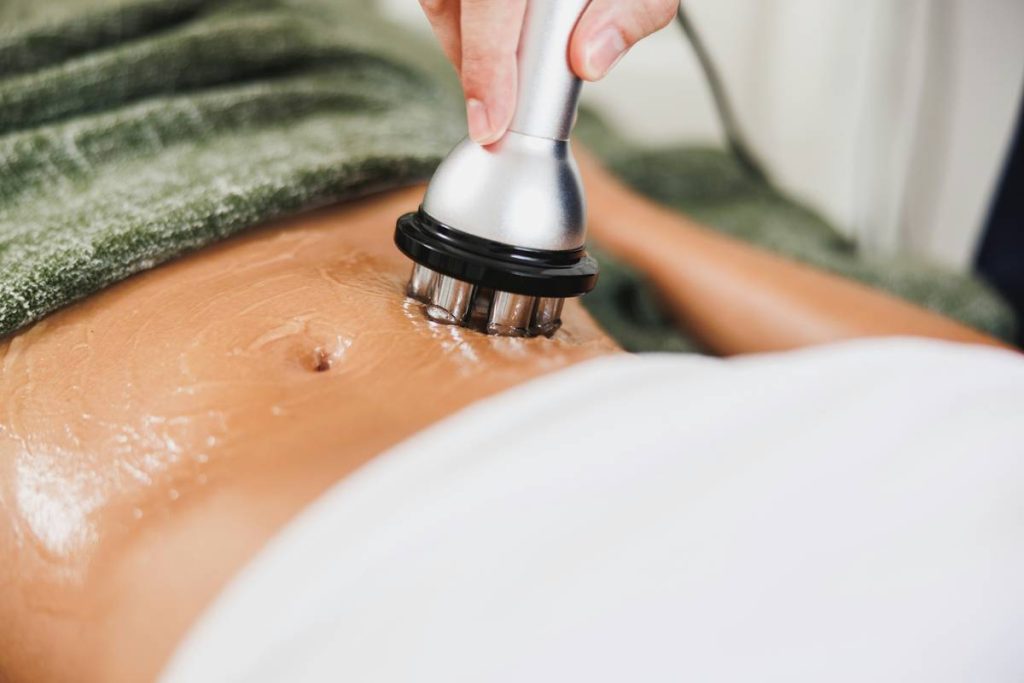
| Professional radiofrequency or acoustic wave therapy | 4–8 sessions | $1,200–$3,000 | Measurable reduction in dimpling (20–40%) |
The Industry Secret: Creams Are Placeholders, Not Solutions
Here’s what formulators won’t admit: cellulite creams exist because they’re cheap to produce and easy to sell. The real leverage lies elsewhere—hydration, muscle tone, and circulatory health. One dermatologist I spoke with off-record confessed: “We sell them because clients demand action. But if I could prescribe one thing? Strength training for the glutes and hamstrings.” Stronger underlying muscle lifts the skin architecture from below. No jar can do that.
Think about it: elite athletes rarely show severe cellulite—not because they use secret potions, but because their connective tissue is supported by dense, active muscle.
Frequently Asked Questions
Can cellulite disappear completely with cream?
No. Topicals may soften appearance but can’t eliminate the fibrous bands causing dimpling. Genetics and anatomy play larger roles.
How long until I see results from cellulite cream?
At minimum, 8 weeks of daily use with proper massage. Anything promising faster results is likely leveraging temporary water retention.
Are expensive cellulite creams worth it?
Not necessarily. Price doesn’t guarantee penetration. Check ingredient concentration—not brand hype. A $25 drugstore retinol may outperform a $90 “luxury” cream with diluted actives.