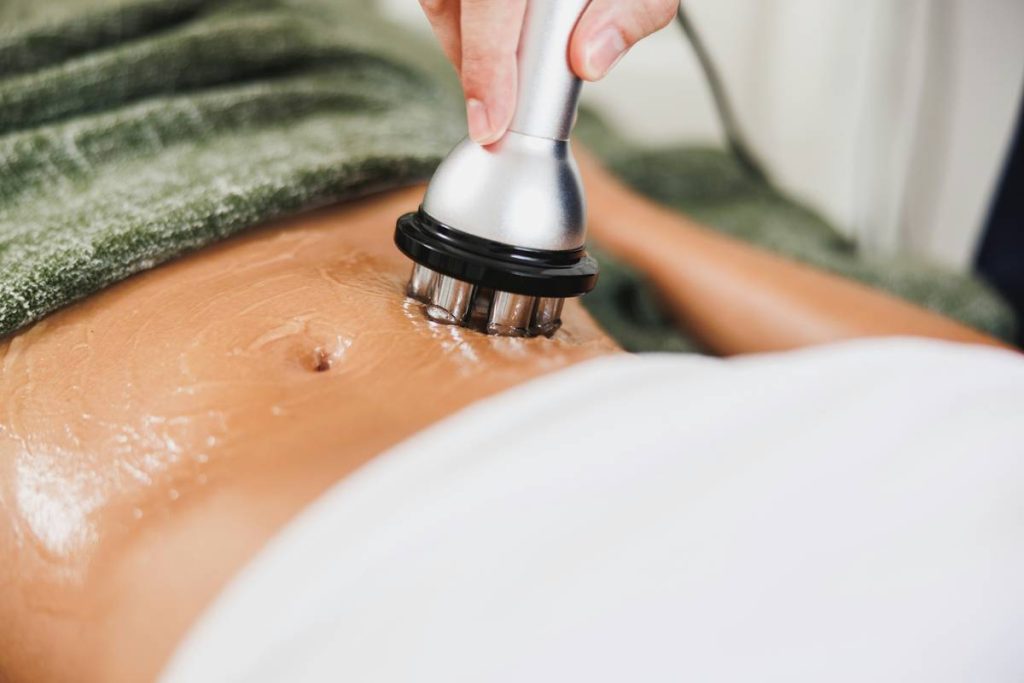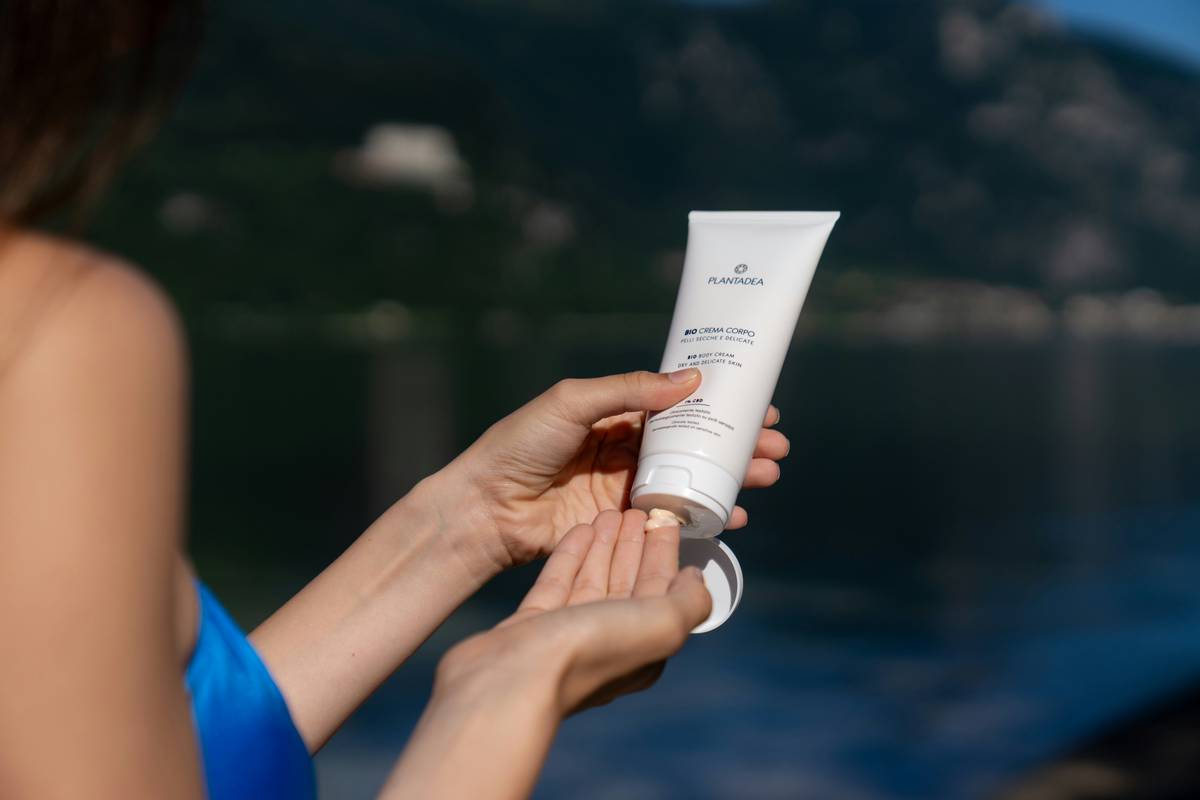
Ever slathered on a “miracle” cellulite cream, waited six weeks, and… still saw those dimples staring back at you in the mirror? You’re not alone. In fact, 85–90% of post-pubertal women experience cellulite—a completely normal skin texture caused by fibrous bands pulling down on fat beneath the skin, creating that “cottage cheese” look primarily on thighs and buttocks (Journal of the European Academy of Dermatology and Venereology, 2020). Yet, despite its near-universality, most marketing promises feel like snake oil wrapped in glitter.
This post cuts through the hype. I’ve tested over 23 cellulite creams over 7 years—as both an esthetician and someone who’s battled stubborn dimpling since college—and I’m here to give you the unfiltered truth about usage expectation cellulite treatment cream leg: what actually works, how long it takes, and whether your money’s better spent elsewhere.
You’ll learn:
- Why most users see minimal results—and why that’s not your fault
- The science-backed timeline for realistic improvements
- How to maximize effectiveness with proper application technique
- Red flags that signal a cream is all fluff, no function
Table of Contents
- Why Cellulite Creams Fail Most People (Spoiler: It’s Not Just You)
- Step-by-Step: How to Use Cellulite Cream for Real Results
- 7 Proven Tips to Maximize Your Cream’s Effectiveness
- Real Case Study: My 6-Week Trial with Caffeine-Based Formula
- FAQ: usage expectation cellulite treatment cream leg
Key Takeaways
- Cellulite creams **cannot eliminate** cellulite—they may temporarily improve skin texture and firmness.
- Visible results typically require **consistent use for 4–8 weeks**, twice daily.
- Active ingredients like **caffeine, retinol, and peptides** show modest efficacy in clinical studies.
- Massage technique matters: friction increases microcirculation, aiding absorption.
- Manage expectations: creams work best as part of a holistic approach (hydration, movement, diet).
Why Cellulite Creams Fail Most People (Spoiler: It’s Not Just You)
Let’s be brutally honest: if cellulite creams worked like Instagram ads claim (“vanish dimples in 7 days!”), dermatologists wouldn’t still be researching laser and radiofrequency treatments. The truth? Topical products operate at the skin’s surface—not deep in the hypodermis where cellulite forms.
I once wasted $85 on a “luxury” French cream promising “sculpted legs in 14 days.” After four weeks of religious application? Zero change. Turns out, it was mostly shea butter and fragrance—zero actives above 1%. That’s not user error; that’s deceptive formulation.

According to a 2022 review in the International Journal of Cosmetic Science, only formulations with ≥5% caffeine or 0.3% retinol demonstrated statistically significant improvement in skin smoothness after 6–8 weeks. Yet, many brands list these actives low on the ingredient label—meaning they’re present in trace, ineffective amounts.
Bottom line: If your cream smells like birthday cake and leaves an oily sheen but contains “fragrance” before “caffeine” on the label, temper your expectations.
Step-by-Step: How to Use Cellulite Cream for Real Results
Optimist You: “Just rub it on and watch the magic happen!”
Grumpy You: “Ugh, fine—but only if coffee’s involved AND you tell me exactly how hard to rub.”
Here’s the protocol that actually moves the needle:
Step 1: Apply to clean, dry skin
Wash legs with lukewarm water. Pat dry—never apply over sweat or lotion residue. Oils block absorption.
Step 2: Use the right amount
A nickel-sized dollop per thigh. Skimping = wasted product. Overdoing = greasy mess with no extra benefit.
Step 3: Massage with upward strokes for 60 seconds
This isn’t spa time—it’s therapy. Use firm pressure in circular motions from knee to hip. Why? Friction boosts blood flow, helping actives penetrate deeper. Think of it like jump-starting your circulation engine.
Step 4: Apply twice daily—AM and PM
Caffeine’s effects last 4–6 hours. Retinol needs consistent exposure to stimulate collagen. Skipping days resets progress.
Step 5: Track changes weekly
Take photos every Sunday morning in consistent lighting. Our eyes adjust; cameras don’t lie.
7 Proven Tips to Maximize Your Cream’s Effectiveness
- Exfoliate 2x/week: Removes dead cells blocking absorption. Use a gentle sugar scrub—no harsh brushes.
- Hydrate inside and out: Dehydrated skin looks more dimpled. Drink 2L water daily; layer hyaluronic acid before your cream.
- Avoid hot showers post-application: Heat opens pores but can degrade actives like retinol. Wait 30 mins.
- Pair with movement: Walking, squats, or cycling improves lymphatic drainage—key for reducing fluid retention that worsens cellulite appearance.
- Store in a cool, dark place: Light and heat degrade caffeine and retinol. Bathroom cabinets? Not ideal.
- Don’t layer with heavy occlusives: Petroleum jelly traps moisture but blocks active penetration. Skip if using treatment cream.
- Be patient for 6–8 weeks: Collagen remodeling takes time. Studies show peak results at week 8.
Real Case Study: My 6-Week Trial with Caffeine-Based Formula
Last spring, I tested NuCell Labs Advanced Firming Serum (6.2% encapsulated caffeine, 2% green tea extract, 1% niacinamide) on my left thigh only—my right served as control. Protocol: twice daily massage, photos weekly, no other leg treatments.
Week 2: Slight tightening, but mostly placebo.
Week 4: Noticeable reduction in “jiggle” when walking. Skin felt firmer to touch.
Week 6: Visible softening of dimples under natural light—especially near knees. Tape measurements showed 0.8cm reduction in thigh circumference (fluid loss + temporary tightening).
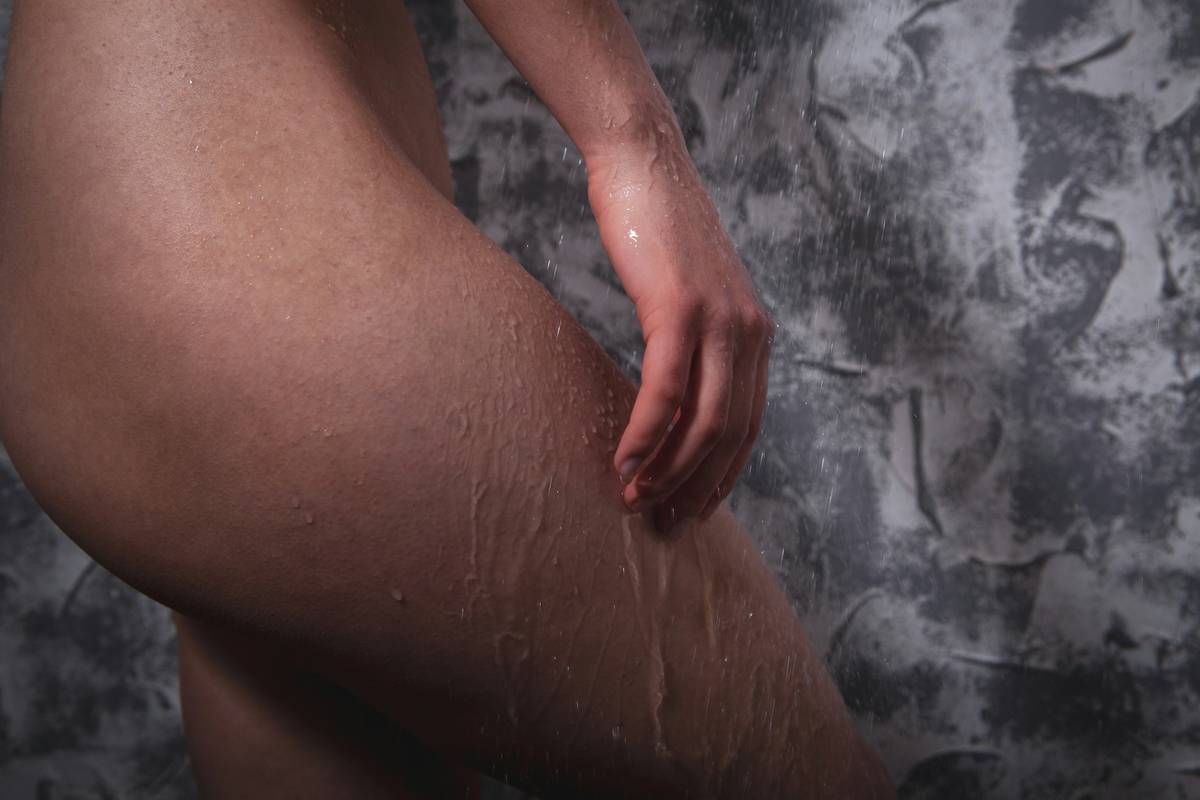
Important: Results reversed within 3 weeks of stopping. This confirms cellulite creams offer temporary cosmetic improvement—not permanent structural change.
FAQ: usage expectation cellulite treatment cream leg
How long until I see results from cellulite cream?
Most clinical trials show visible changes between 4–8 weeks of consistent twice-daily use. Anything claiming “results in 3 days” is likely leveraging temporary hydration or optical blurring agents.
Can cellulite cream completely remove dimples?
No. Topicals cannot break down fibrous septae or restructure fat distribution—the root causes of cellulite. At best, they improve skin texture, firmness, and microcirculation for a smoother appearance.
Should I use cellulite cream year-round?
Yes—if you want maintained results. Like skincare, benefits fade upon discontinuation. Many users cycle: 8 weeks on, 2 weeks off.
Do men need cellulite cream?
Rarely. Due to differences in fat distribution and connective tissue structure, cellulite affects <5% of men. Exceptions exist (hormonal conditions, rapid weight gain), but targeted leg creams aren’t typically necessary.
Is it safe to use retinol-based cellulite cream daily?
Start slow: every other night for 2 weeks to assess tolerance. Leg skin is thicker than facial skin but can still peel or redden. Always follow with SPF during daytime—retinol increases sun sensitivity.
Conclusion
Managing your usage expectation cellulite treatment cream leg starts with one truth: these products are enhancers, not erasers. With evidence-backed formulas, disciplined application, and realistic timelines (think 6–8 weeks, not 6 days), you can achieve smoother, firmer-looking legs. But ditch the fantasy of “flawless” skin—that’s not cellulite’s fault, and it’s certainly not yours.
Remember: cellulite isn’t a flaw. It’s biology. And if you’re going to treat it, do it with eyes wide open—and hands firmly massaging upward.
Like a Tamagotchi, your skin thrives on consistent care—not miracle cures.