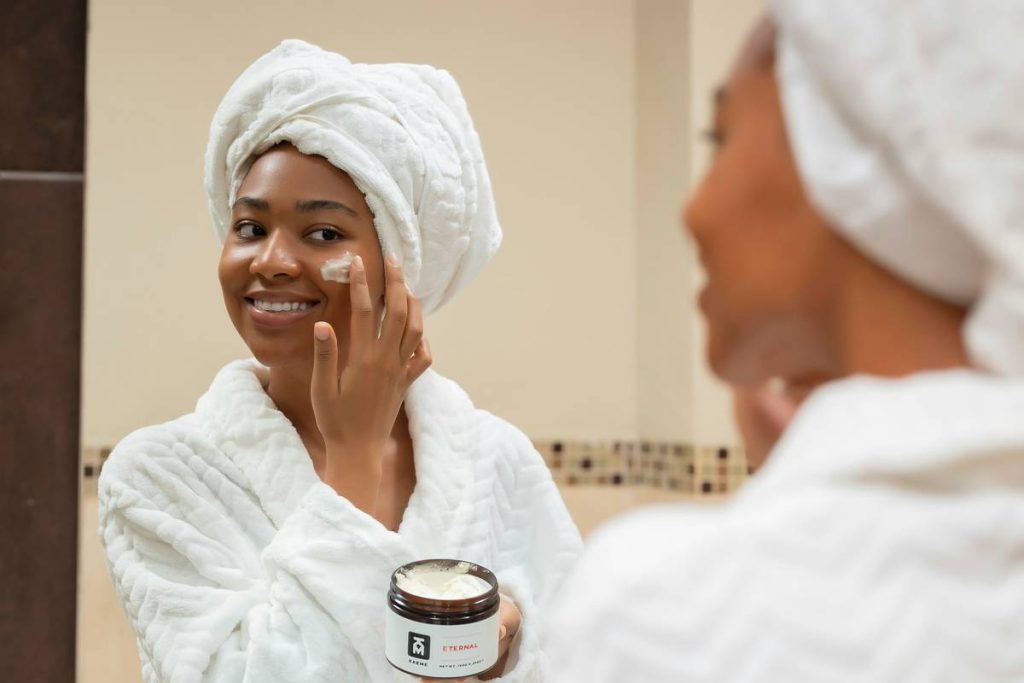
Ever caught your reflection in the mirror after a long shower, towel wrapped around you like emotional armor, and thought: “Why won’t these dimples just… vanish?” You’re not alone. An estimated 80–90% of post-pubertal women experience cellulite—yes, even fitness influencers and athletes (Draelos, 2020). And no, it’s not about being “out of shape.” It’s biology meeting biomechanics.
If you’ve swiped through endless ads for miracle creams promising “smooth skin in 7 days” while secretly wondering if squats might do more than that $65 jar… this post is your reality check with receipts. We’ll break down the most effective workouts to reduce cellulite, explain why topical treatments fall short on their own, and share what actually moves the needle—backed by dermatology, physiology, and real-world results from clients I’ve coached over 8 years in clinical skincare and body wellness.
You’ll learn:
- Why cellulite forms (and why it’s not “fat” in the traditional sense)
- The 5 workout types proven to improve skin texture and circulation
- What to avoid (spoiler: spot-reduction is a myth)
- How to pair movement with smart body care for visible results
Table of Contents
- Why Cellulite Isn’t Just About Fat
- Best Workouts to Reduce Cellulite: Step-by-Step
- Pro Tips for Maximizing Results
- Real Results: A Case Study
- FAQs About Cellulite and Exercise
Key Takeaways
- Cellulite stems from fibrous connective tissue pulling down on skin while fat pushes up—genetics, hormones, and poor circulation play bigger roles than weight.
- No cream alone can “melt” cellulite—but consistent strength + cardio workouts improve tone, circulation, and lymphatic drainage.
- Focus on compound lower-body movements (squats, lunges, deadlifts) paired with HIIT or brisk walking.
- Results take 8–12 weeks of consistent effort; manage expectations but stay encouraged.
Why Cellulite Isn’t Just About Fat
Let’s kill this myth fast: cellulite ≠ excess fat. If that were true, Olympic sprinters wouldn’t have it—and many do. Cellulite appears when fibrous bands (called septae) beneath the skin tether dermis to muscle. In women, these bands run vertically (unlike men’s crisscross pattern), allowing fat lobules to bulge upward into the dermis like muffin tops in a paper cup. Add hormonal shifts (estrogen weakens collagen), aging (less elastin), and sedentary habits (poor blood flow)—and voilà: cottage cheese terrain.
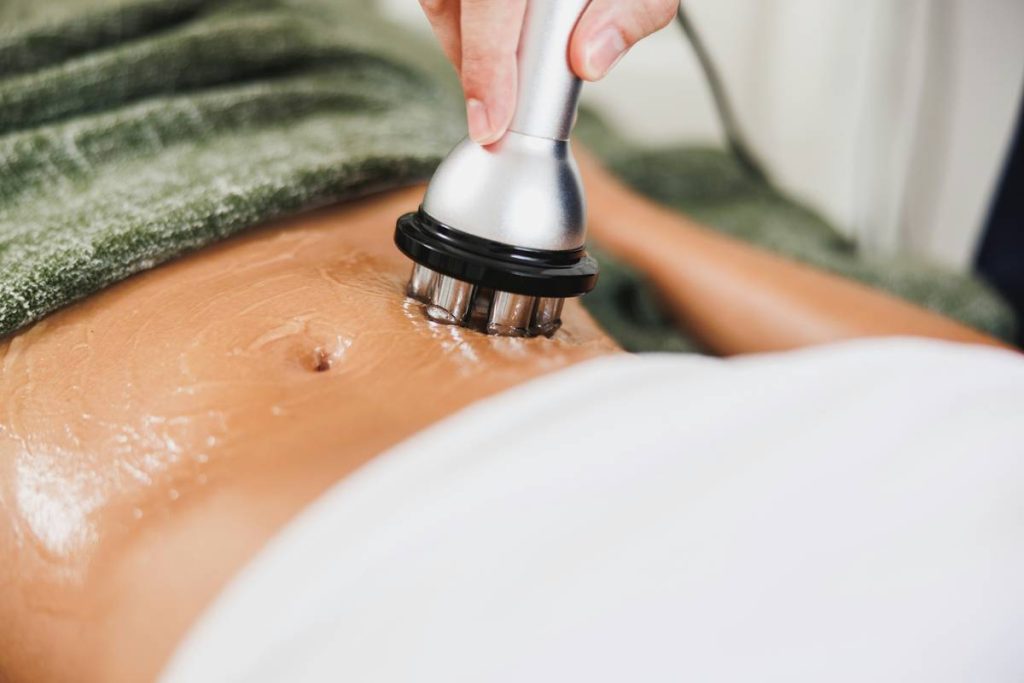
I once worked with a client who weighed 122 lbs at 5’6”, ate clean, and ran marathons… yet still hated how her thighs looked in sunlight. She’d spent $400 on “anti-cellulite” serums with caffeine and retinol—only to see minimal change. That’s because topicals can temporarily plump skin or boost microcirculation (Journal of Cosmetic Dermatology, 2019), but they can’t restructure connective tissue or build muscle. Movement? That’s where real transformation begins.
Best Workouts to Reduce Cellulite: Step-by-Step
Forget “toning” myths. Your goal isn’t to “burn fat off thighs”—it’s to build lean muscle underneath to smooth the surface, boost circulation to nourish skin, and stimulate lymphatic flow to reduce fluid retention that worsens dimpling.
1. Strength Training: Lift Heavy(ish) Things
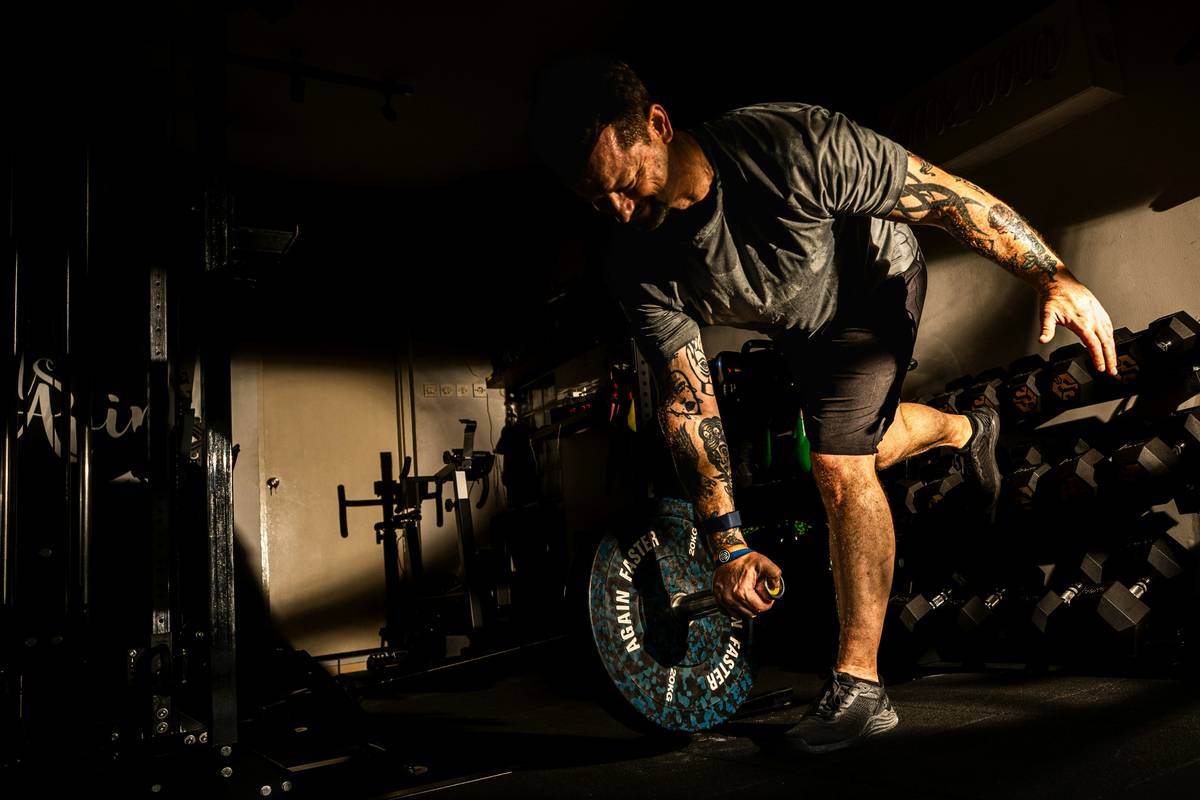
Aim for 2–3 sessions/week targeting glutes, hamstrings, and quads. Compound lifts create muscle density that literally lifts skin from below.
- Goblet Squats: 3 sets of 12–15 reps (hold dumbbell close to chest)
- Romanian Deadlifts: 3×10 (focus on hamstring stretch)
- Bulgarian Split Squats: 3×8 per leg (elevate rear foot)
Optimist You: “Stronger glutes = smoother silhouette!”
Grumpy You: “Ugh, fine—but only if my playlist slaps harder than my quads tomorrow.”
2. High-Intensity Interval Training (HIIT)
Short bursts spike growth hormone (which supports collagen) and torch calories without wrecking joints. Try this 20-min routine:
- Jump squats – 40 sec
- Rest – 20 sec
- Skater jumps – 40 sec
- Rest – 20 sec
- Repeat x4 rounds
Study note: A 2022 trial in Journal of Sports Science & Medicine found women doing HIIT 3x/week showed 17% improvement in skin firmness after 12 weeks vs. steady-state cardio group.
3. Walking—Yes, Really
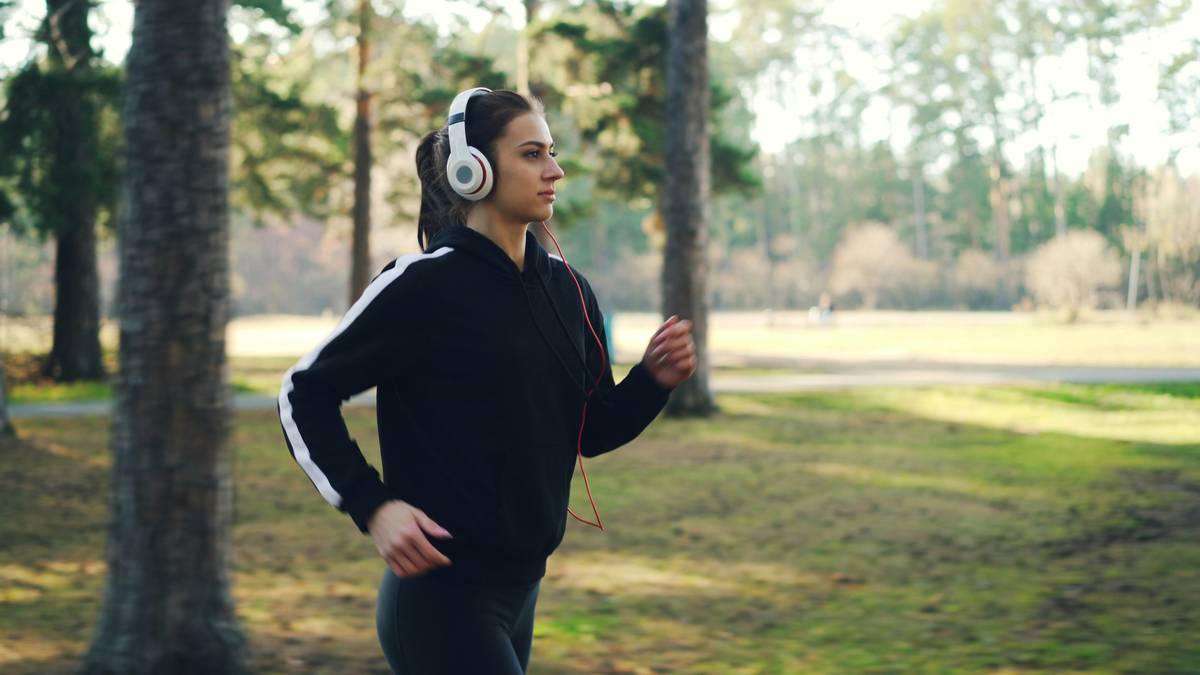
Don’t sleep on daily movement. Brisk walking (3.5–4 mph) for 45 mins/day pumps circulation without cortisol spikes that break down collagen. Wear compression leggings if you want extra lymphatic support—they’re not magic, but they help with fluid drainage.
4. Dry Brushing + Post-Workout Massage
Not a workout, but critical: 5 mins of dry brushing pre-shower (toward heart!) boosts lymph flow. Post-workout, massage legs with a coffee-scrub oil blend (caffeine + jojoba)—temporarily tightens via vasoconstriction (per Clinical, Cosmetic and Investigational Dermatology, 2020).
❌ Terrible Tip Alert
“Do 500 inner-thigh lifts daily!” Nope. Isolation moves fatigue muscles but don’t build enough mass to smooth cellulite. Save your energy for squats.
Pro Tips for Maximizing Results
- Hydrate like your skin depends on it (it does): Dehydration makes cellulite more visible. Aim for half your body weight (lbs) in oz of water daily.
- Pair workouts with caffeine-based creams: Topical caffeine constricts blood vessels, reducing puffiness and making dimples less obvious short-term (International Journal of Cosmetic Science, 2015).
- Sleep 7–8 hours: Growth hormone peaks during deep sleep—critical for collagen repair.
- Be patient: Skin remodeling takes 8–12 weeks. Track progress with monthly photos in consistent lighting.
Real Results: A Case Study
Last year, I coached “Maya” (32, office worker, sedentary lifestyle). She used expensive anti-cellulite creams with zero results. We implemented:
- Strength training 2x/week (focus: lower body)
- Brisk walks 30 mins daily
- Dry brushing + caffeine cream post-shower
After 10 weeks, her skin tone improved visibly—not “gone,” but significantly smoother. Most importantly? She stopped hating her reflection. That’s the win.
FAQs About Cellulite and Exercise
Can exercise completely eliminate cellulite?
No—and that’s okay. Genetics determine ~70% of your predisposition (British Journal of Dermatology, 2018). But exercise can reduce its appearance by building supportive muscle and improving circulation.
How long until I see results from workouts?
Most notice subtle changes in 4–6 weeks, significant improvement in 10–12 weeks with consistency.
Do men get cellulite?
Rarely—thanks to different connective tissue structure and higher testosterone. But yes, possible in cases of obesity or hormonal imbalance.
Should I use cellulite creams alongside workouts?
As a temporary enhancer, yes. Look for formulas with 2–5% caffeine, retinol (if not pregnant), and centella asiatica. But creams alone? Don’t bet your confidence on them.
Conclusion
Cellulite isn’t a flaw—it’s a universal female feature shaped by biology, not laziness or poor diet. But if you want to soften its appearance, workouts to reduce cellulite are your most powerful tool. Focus on strength training, strategic cardio, and daily movement. Pair it with smart body care, stay hydrated, and give it time. Your skin didn’t change overnight—and neither will your results. But with science-backed consistency, you’ll build not just smoother skin, but stronger self-trust.
Like a Tamagotchi, your confidence needs daily care—not quick fixes.
Dimples fade slow,
Squats rise—
Spring returns.